(928) 377-5230
Alumni brotherhood & ongoing support
Brotherhood remains the lifeline of recovery through the AnchorPoint Alumni community. Men stay connected through 12-step programs, NA/AA, and Bible study to encourage spiritual fraternity, ongoing engagement, shared wisdom, and real accountability long after treatment.
If You’re Struggling Right Now
If you’ve relapsed or you feel yourself slipping, take a breath. You’re not weak, and you don’t have to handle this alone. Reach out now and let’s get you back on solid ground.
You can reach our alumni team anytime at
Signs You May Need Extra Support
Sometimes warning signs of relapse show up quietly, and noticing them early can help you get the support you deserve.
- Romanticizing past drug or alcohol use
- Reconnecting with friends you once used with
- Loss of interest in hobbies
- Extended periods of isolation
- Lack of interest in recovery programs
Why Alumni Choose to Stay Connected
Staying connected isn’t about perfection—it’s about rising stronger in recovery through brotherhood, shared understanding, and continued growth alongside other men who truly get it.
- Lean on each other’s shared experiences
- Repair existing friendships & build new ones
- Celebrate recovery milestones, big and small
- See one another thrive in life beyond treatment
- Access information about aftercare and relapse prevention
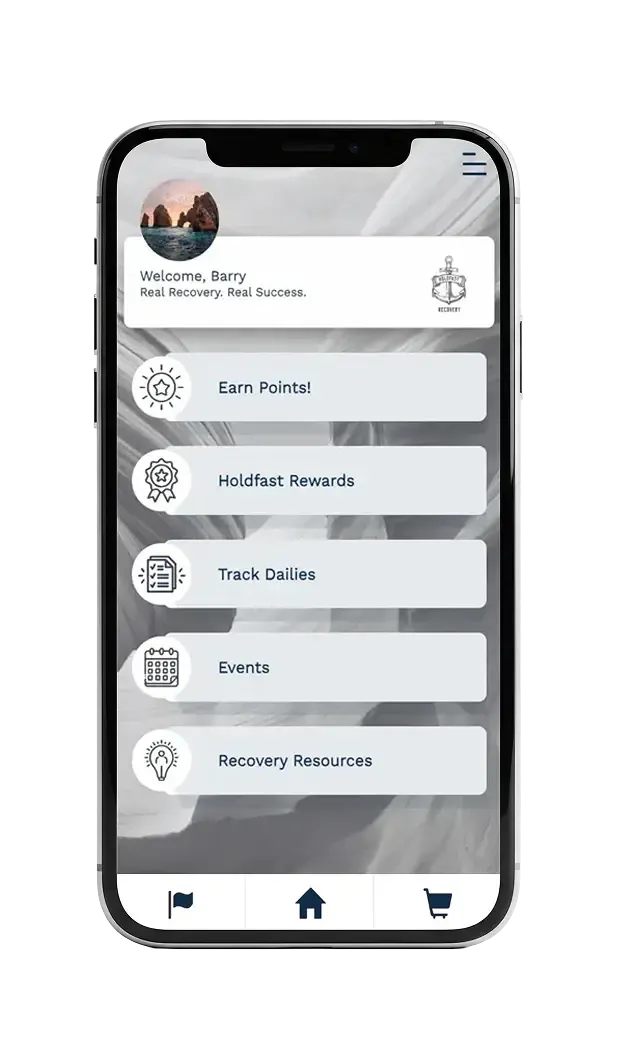
Our Alumni App: Your Recovery Connection
Our alumni app offers a private, secure space to stay connected and supported long after treatment, on your own terms.
As a former patient, you’ll be able to:
- Access addiction professionals through secure, HIPAA-compliant chat
- Connect with fellow alumni in a private, alumni-only social space
- Listen to recovery-focused podcasts and educational content
- Keep a gratitude journal and reflect on your journey
- Track important milestones with a personal recovery tracker
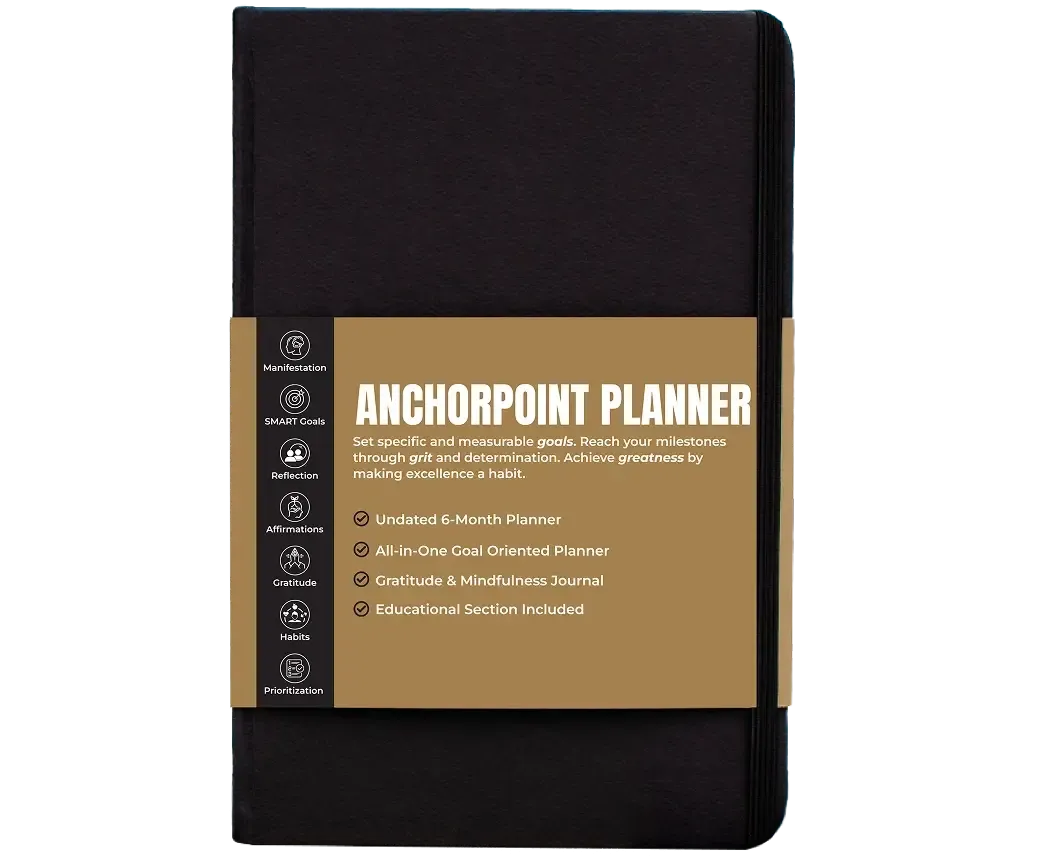
Your Alumni Planner: Support Beyond Treatment
As part of the discharge process, alumni receive access to a personal planning system designed to support reflection, structure, and life beyond treatment.
The planner helps support:
- Goal setting and intention-setting
- Reflection and journaling
- Gratitude practices
- Affirmations
- Habit-building
- Clarifying priorities and routines
Weekly Alumni Gatherings
Our weekly alumni gatherings offer a consistent, welcoming space to reconnect, listen, and show up however you’re able.
Day:
Thursdays
Time:
7:00 p.m. EST
Location:
Zoom
Meeting ID:
823 5349 1589
Password:
alumni
Special Events & Alumni Gatherings
Throughout the year, we host optional events that foster connection, celebration, and a sense of shared community.
- Alumni reunions and meetups
- Virtual workshops and discussions
- Wellness-focused gatherings
- Recovery milestone celebrations
- Community-based events
Leadership & Spiritual Mentorship Opportunities
For alumni who feel ready, leadership opportunities offer a path of discipleship—serving others, sharing what you’ve learned, and helping guide men in their recovery journey.
Through our Alumni Ambassador Program, former clients can guide and encourage newer members of the community—many staying involved long after treatment as trusted role models and pillars of support.
Your Alumni Support Team
Our alumni support team is here to ensure you feel connected, informed, and supported whenever you reach out.
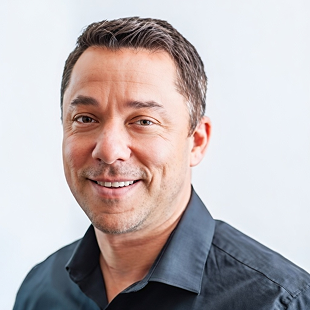
Tim Hayden
Founder
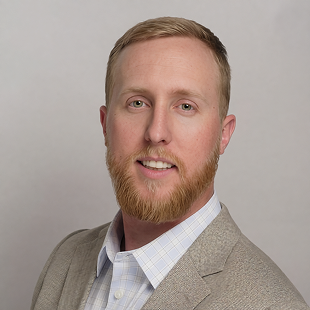
Brendan McDonough
Co-Founder

Julie Nave, MA, LPC
Clinical Director
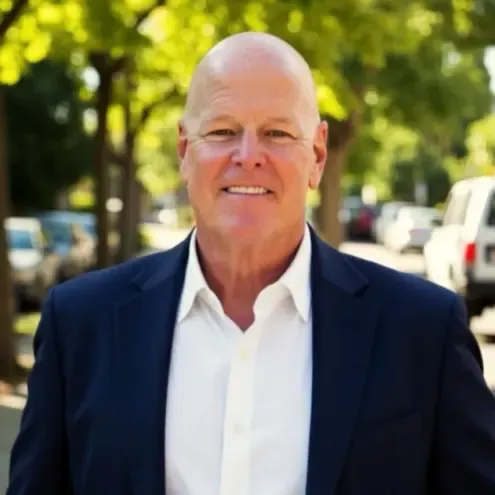
Donald R. Middleton Jr., DO
Medical Director
What Aftercare Can Look Like Over Time
Recovery looks different for everyone. This timeline is a general guide, not a set of rules.
1–30 Days After Rehab
- Build a clear 30-day recovery plan with goals.
- Establish a simple daily routine and schedule.
- Identify triggers and practice coping skills in real time.
- Secure stable, supportive housing and attend meetings for accountability.
- Prioritize sleep, nutrition, and regular movement.
- Keep commitments realistic—steady progress beats rushing.
30–90 Days After Rehab
- Continue regular involvement in support groups, at least once a week.
- Maintain ongoing counseling or therapy, ideally weekly.
- Keep a recovery journal to track triggers, progress, and growth.
- Begin exploring professional or career goals with guidance or support.
90–180 Days After Rehab
- Begin repairing relationships that were strained or damaged.
- Develop short- and long-term financial goals with a planner or advisor.
- Start shifting focus toward longer-term personal & professional goals.
180–365 Days After Rehab
- Celebrate recovery milestones, especially six months and one year.
- Support others who are early in their recovery journey.
- Develop five- and ten-year personal, professional, and financial plans.
- Seek new sources of motivation and purpose.

Share Your Experience
If you feel comfortable, sharing your experience can help others take their first step toward recovery.
Leave a review on


© 2026 AnchorPoint. All Rights Reserved.