PTSD Treatment Center in Prescott, Arizona

Our residential program is built around the connection between trauma, PTSD, and addiction, and is designed to help men do the deep work that sobriety alone can’t fix.

4.9/5 from 34+ Reviews on Google

Get Instant Insurance Verification

Your information is private and secure. No pressure to commit

How We Treat PTSD

Our residential program integrates trauma-focused clinical care with evidence-based therapies, physical wellness, and a Christ-centered foundation that gives men a framework for meaning and identity outside of their trauma. 


Trauma treatment at AnchorPoint is structured, supervised, and grounded in approaches that have demonstrated real results for men dealing with trauma and co-occurring addiction.

Understanding ptsd in men

PTSD is not a weakness, and it is not exclusive to combat veterans. It develops when the nervous system becomes overwhelmed by an experience or a pattern of experiences it cannot fully process.


For many men, that means childhood abuse or neglect, domestic violence, sexual trauma, sudden loss, or years of accumulated stress that never had an outlet.


Many men experience emotional numbness, chronic anger, hypervigilance, risk-taking behavior, and an increasing reliance on substances to quiet a nervous system that won’t settle on its own.

A Campus Built for Trauma Recovery

Recovery from trauma requires more than good therapy. It requires an environment that supports the nervous system’s ability to settle, process, and rebuild. 


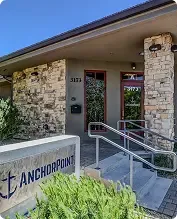
Our Prescott campus was designed with that in mind, a structured, distraction-free setting where men can do serious clinical work and have the physical space to breathe, move, and begin to feel safe in their own bodies again.

Trauma Recovery for Veterans and First Responders

The men who serve in the military, law enforcement, and emergency services are trained to perform under pressure, suppress fear, and keep moving regardless of what they’ve witnessed or survived.


At AnchorPoint, we understand the culture these men come from. We understand why the traditional language of mental health treatment can feel foreign or threatening to men who have built their identity around strength, duty, and self-sufficiency.  


Our trauma-informed team has direct experience working with veterans and first responders, including men dealing with combat-related PTSD, occupational trauma, moral injury, and the particular kind of grief that comes from losing colleagues in the line of duty.  


If you served, we understand what it cost you. This program was built with men like you in mind.

Therapies that address trauma at the root

EMDR

EMDR is one of the most well-researched trauma therapies available. It works by helping the brain reprocess traumatic memories that have become stuck, reducing their emotional charge without requiring a person to relive them in detail. For men with PTSD or C-PTSD, EMDR can produce meaningful shifts that years of talk therapy alone may not reach.

Polyvagal Informed Therapy

PTSD lives in the body as much as the mind. Polyvagal-informed therapy helps men understand how their nervous system responds to perceived threat and teaches practical tools for moving out of fight, flight, or freeze states. For men who have spent years in hypervigilance, this work can be genuinely life-changing.

HeartMath™

HeartMath™ uses heart-centered breathing and biofeedback techniques to help men regulate stress responses in real time. It builds emotional coherence — the ability to stay grounded under pressure — which is foundational for both trauma recovery and long-term sobriety.

Internal family systems (IFS)

Trauma fragments a man's internal world. IFS offers a framework for understanding and reconciling the different "parts" of a person shaped by painful experiences, the part that numbs out, the part that rages, the part that shuts down in relationships. Through IFS, men begin to rebuild a coherent sense of self that isn't defined by what happened to them.

Sociometrics

Trauma, especially relational trauma, erodes a man's ability to trust and connect. Sociometrics uses structured group experiences to rebuild those capacities, not by talking about trust but by practicing it in a safe, supervised setting alongside other men in the program.

Affordable Care and Major Insurance Accepted

We accept most major insurance providers and offer flexible financing options designed to make high-quality care accessible.

Care For Every Stage of Recovery

Partial Hospitalization Program (PHP)

In collaboration with Holdfast Recovery, we support a seamless transition from inpatient care to an intensive, structured PHP program. PHP provides 6 hours of daily treatment, 5 days a week, balancing clinical structure with real-world integration.

Intensive Outpatient (IOP)

In partnership with our brother program, Holdfast Recovery, we provide a smooth step-down process to a two-phase Intensive Outpatient Program that meets 5 days a week for 3 hours, or 3 days per week for 3 hours.

Sober Living Homes

Our structured, Christ-centered sober living homes offer long-term housing for those in recovery, with 24/7 support and accountability from dedicated staff. Sober Living at AnchorPoint Recovery fosters lasting friendships and shared commitment to personal growth.

Aftercare and Transition

Stay connected with ongoing 12-step meetings, SMART recovery programs, and an active alumni network rooted in brotherhood. Our case management team also provides support with employment, housing, and opportunities for community service.

Frequently Asked Questions

Do I have to be a veteran or first responder to attend?

No. AnchorPoint serves men from all backgrounds. Veterans and first responders are one of the populations we have specific experience with, but the program is designed for any man dealing with trauma, PTSD, or co-occurring addiction.

No. The program is Christ-centered, and faith is part of how we approach meaning, identity, and purpose in recovery. Men of all faiths, and men with no faith background are welcome.

Yes. We accept most major PPO plans, including Cigna, Aetna, GEHA, and TriWest. Our admissions team will verify your benefits and walk you through your options before you make any decisions.

Days at AnchorPoint are structured around individual therapy, group sessions, trauma-focused clinical work, physical fitness, and community time. Schedules are intentional, and building a routine can be therapeutic for men recovering from trauma.

Phones and personal devices are permitted as long as they don’t interfere with treatment. We want men to stay connected to the people who matter while building healthy boundaries around technology use.

Smoking and vaping are permitted in designated areas.

Residential PTSD Treatment for Men in Arizona

Trauma doesn’t have to be the last word. AnchorPoint’s residential program gives men the clinical tools, brotherhood, and foundation to process what happened, rebuild what was lost, and move forward with real purpose.

Table of Contents

google reviews

Address

Anchorpoint
3173 Clearwater Dr
Prescott, AZ 86315
Google
Map data ©2025 Google