



Therapy in men’s rehab
Your own therapist, group therapy and trauma-focused work like EMDR.
Residential drug and alcohol rehab for men: therapy, medical and psychiatric care, fitness and the outdoors in one program. About 30 days, sometimes 45.
Licenses and accreditations
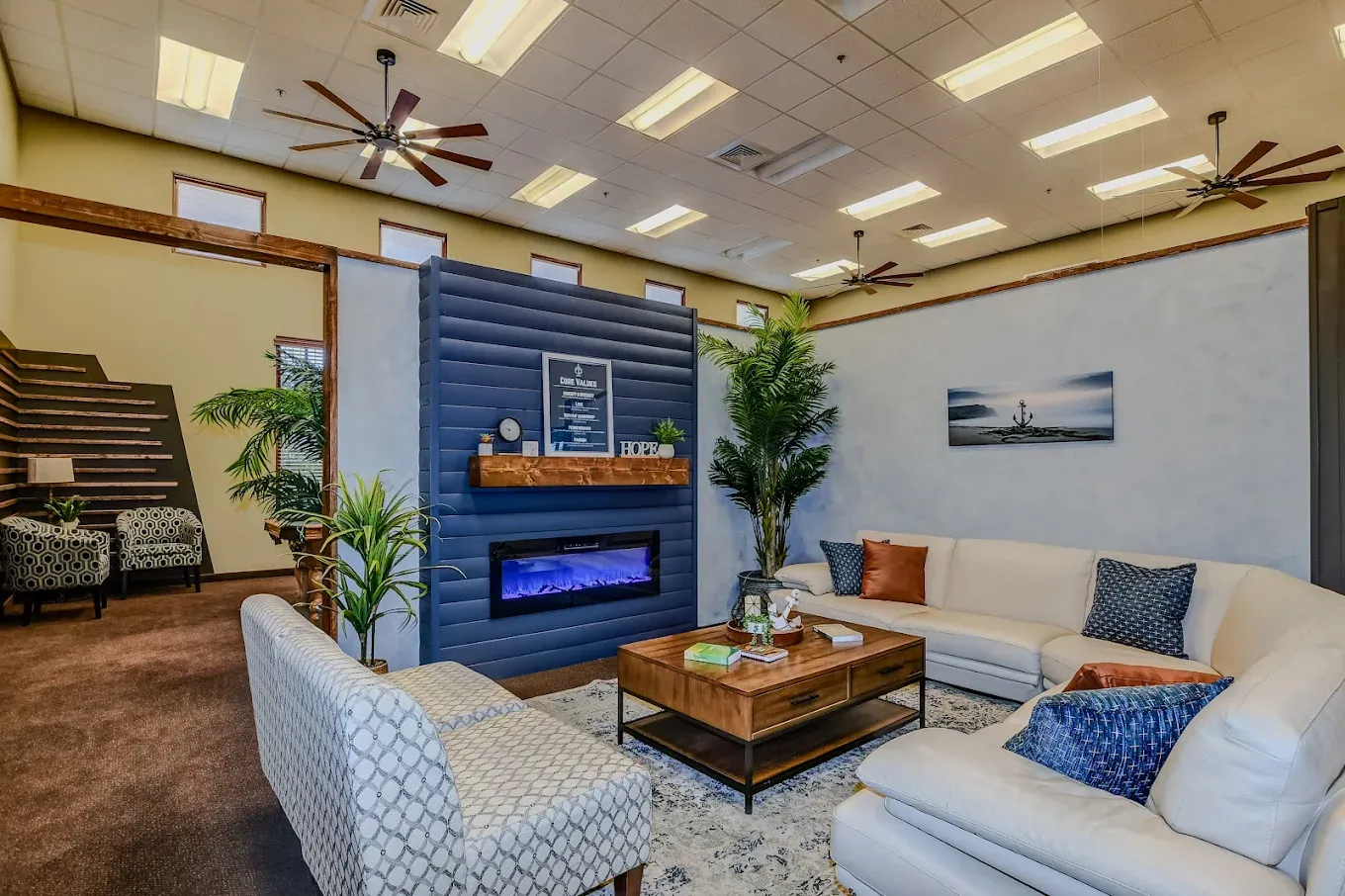
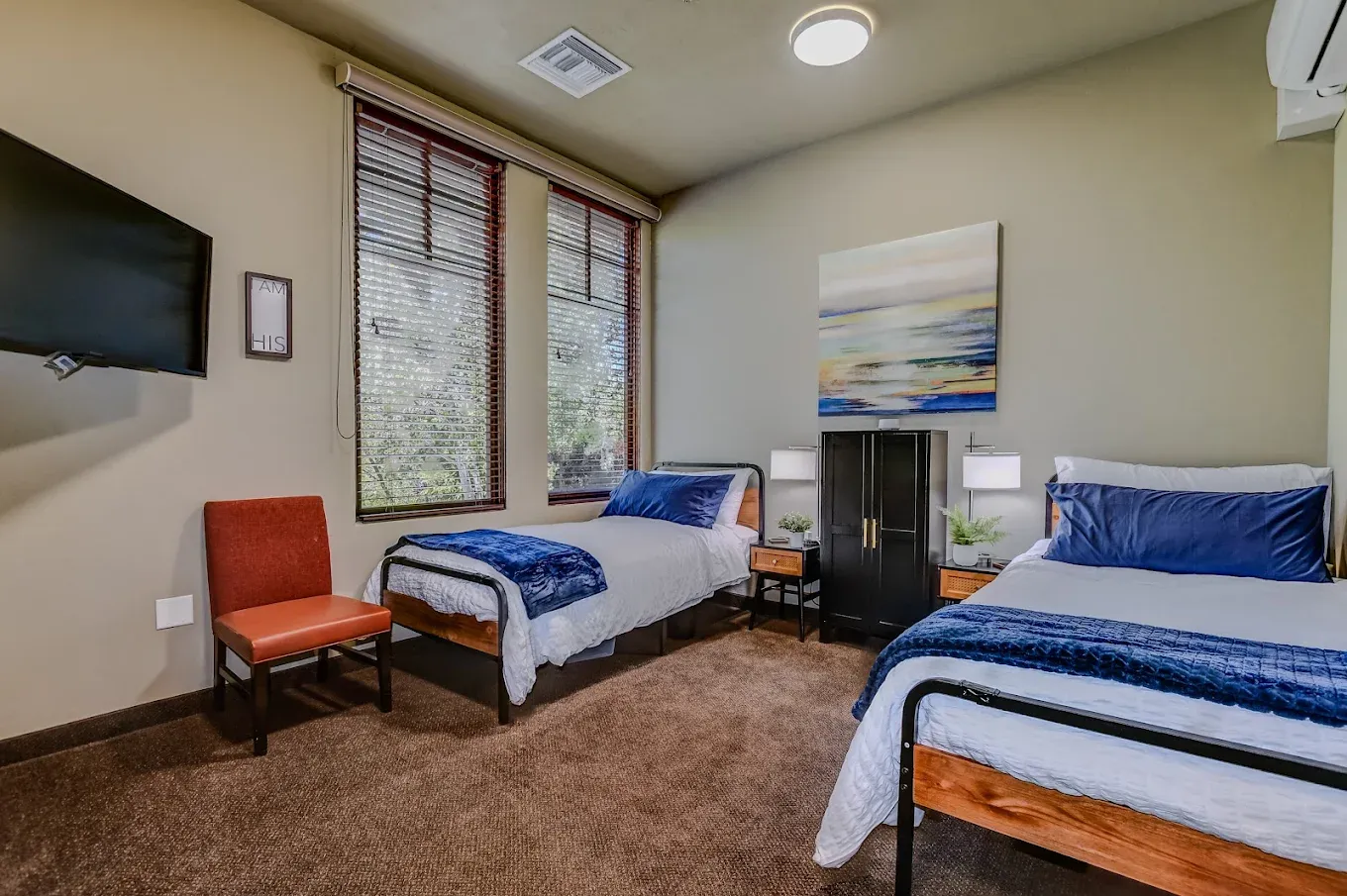
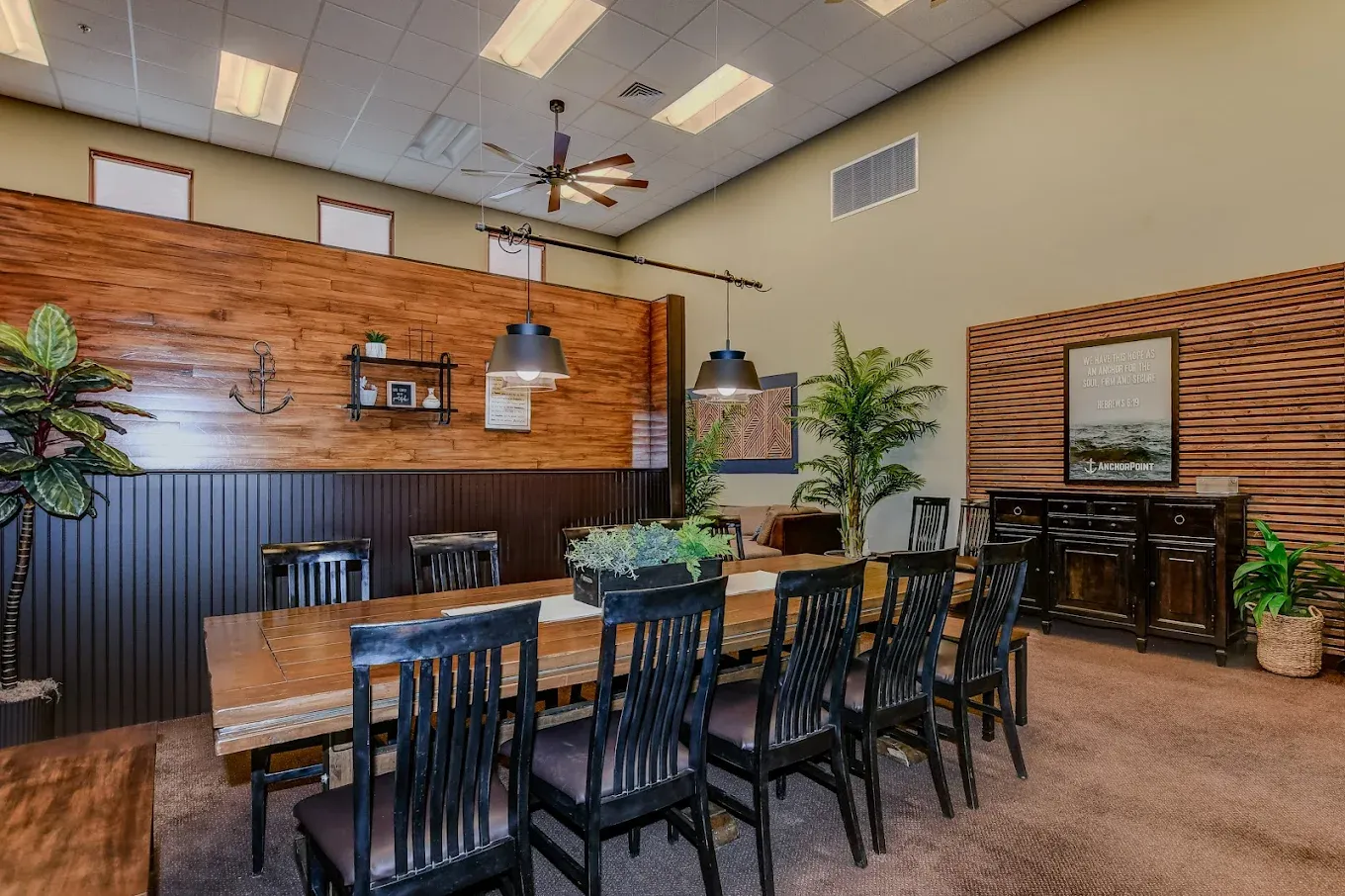
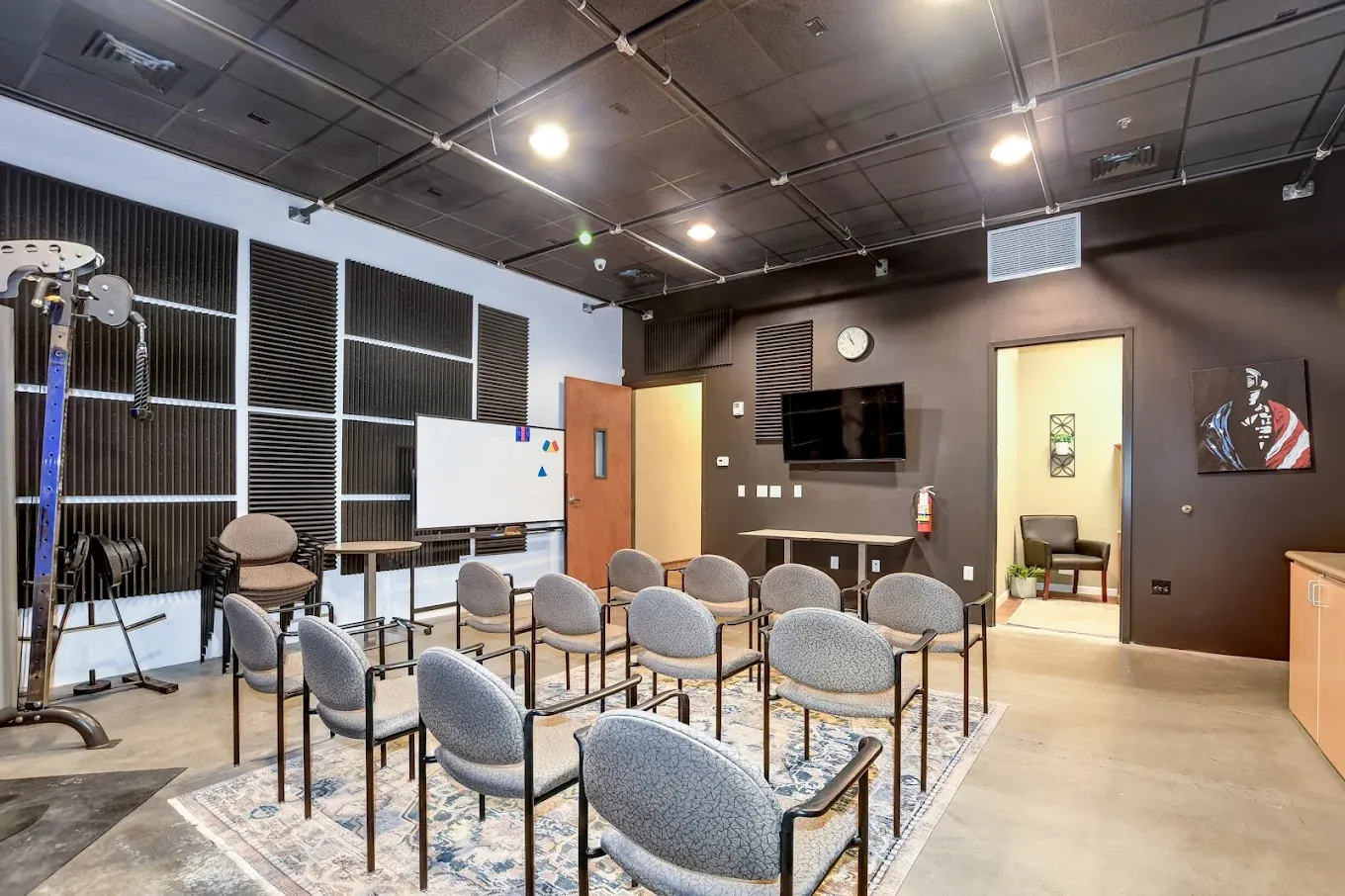
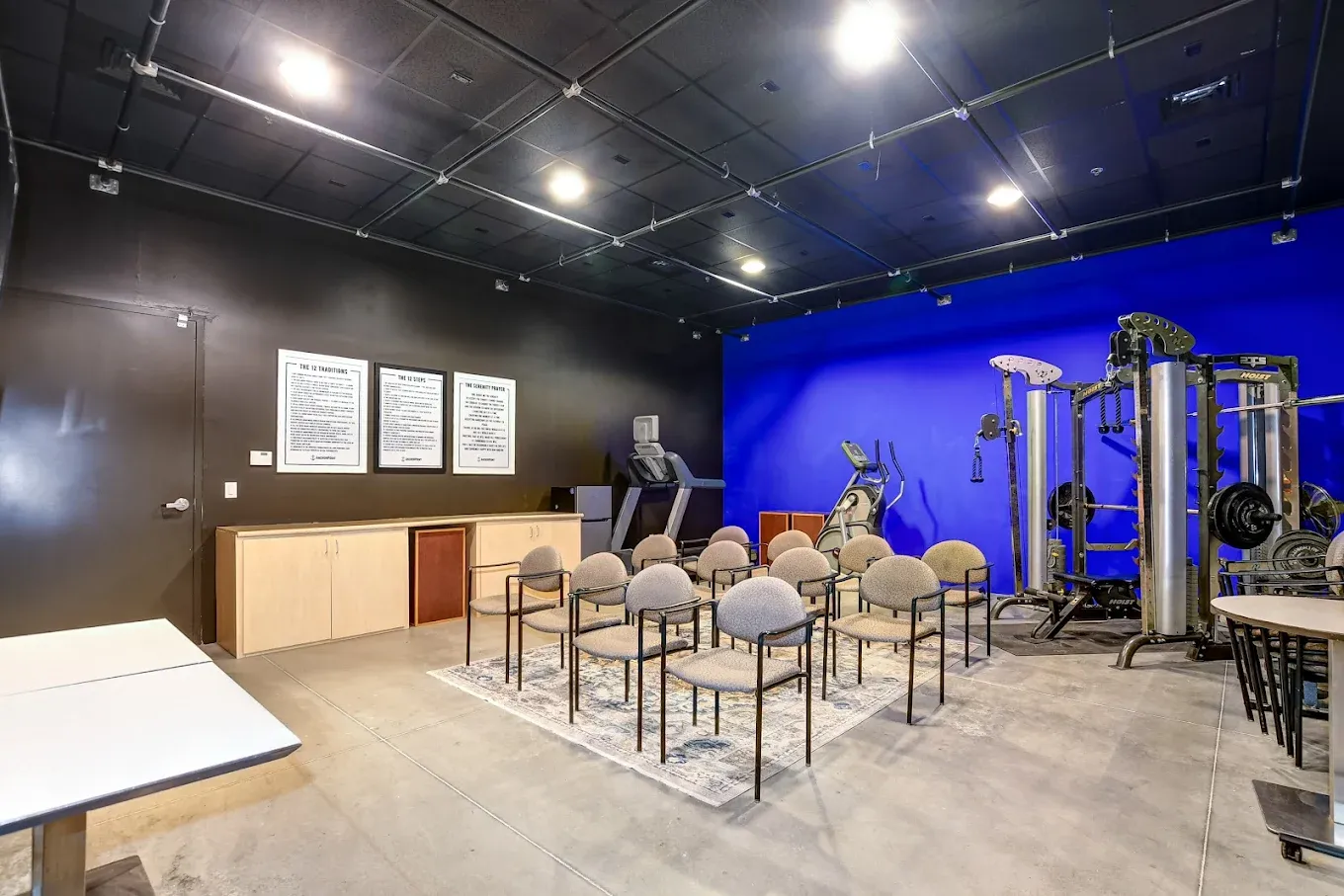
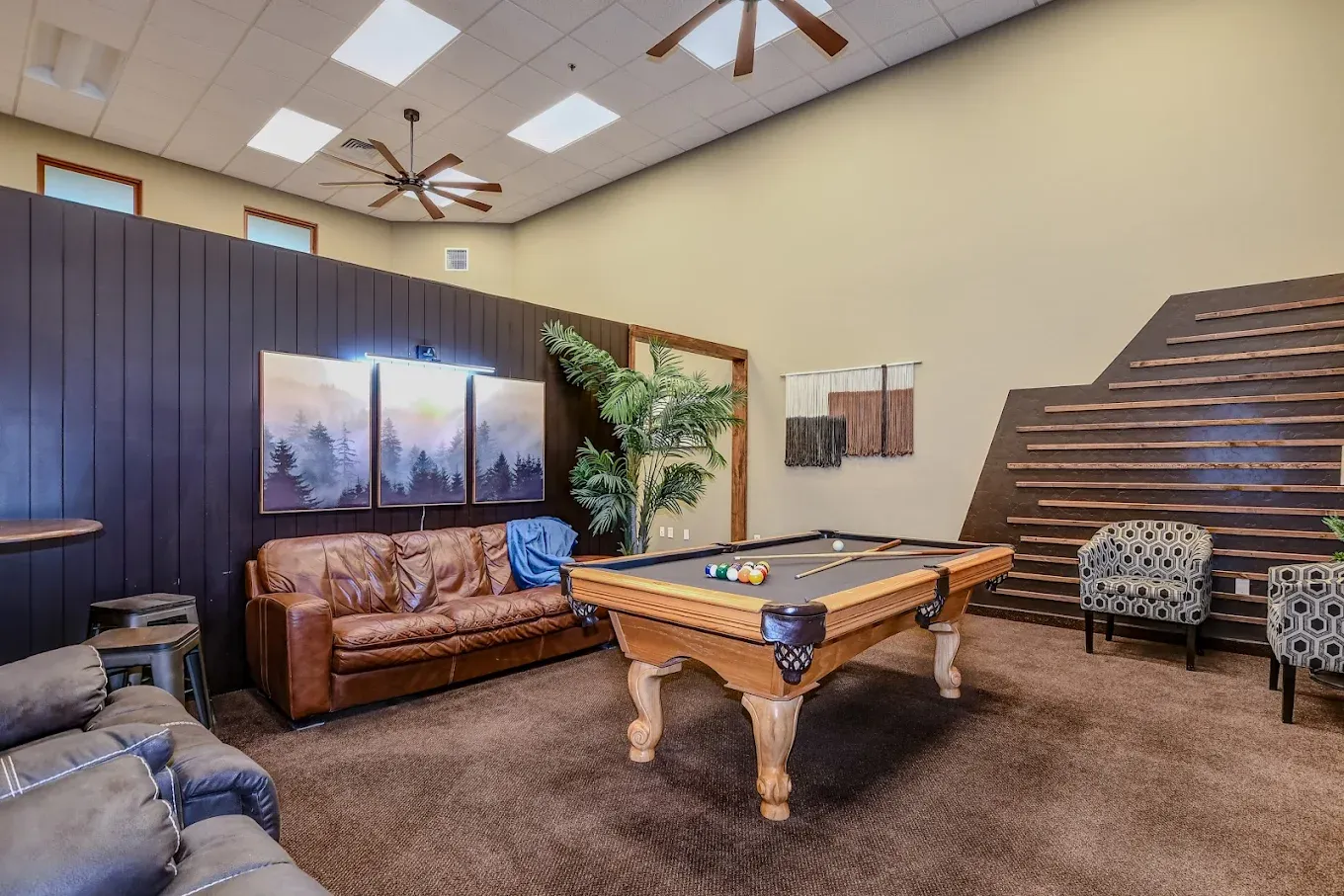
AnchorPoint is an addiction treatment center built specifically for men. You share a room, a table and the work with men who get it, and the days are built around brotherhood, a sober house, the gym and time outdoors.
A drug rehab center for men: residential treatment for alcohol and drug addiction, and for the trauma, anxiety and depression that often sit underneath.
On Suboxone or methadone? Suboxone continues here; methadone is coordinated with your provider.Need detox first? Detox happens first, elsewhere. Then we pick you up.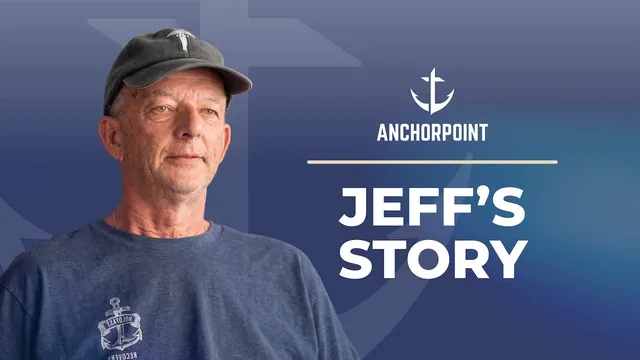
Jeff's story
40 years of marriage, restored.
“You're never too far from help. Trust the process, and the faith will grow.”
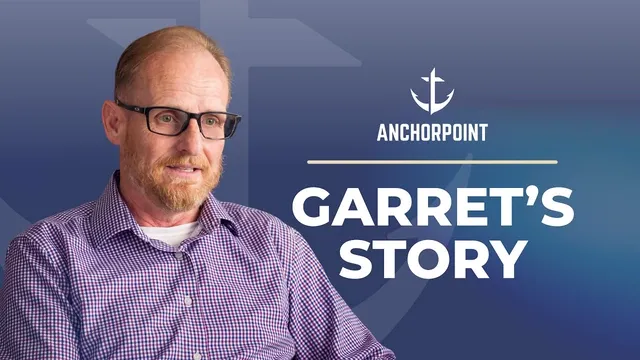
Garret's story
From rock bottom to honest again.
“God loves you no matter what, even when you're incapable of loving yourself.”

David's story
He picked up the phone, and everyone rallied.
“AnchorPoint taught me I'm not alone.”
Real photos of our men’s rehab: the shared bedrooms, the dining room where everyone eats at one table, the group room, the gym, and the living and game rooms where men spend their evenings.
Detox first, elsewhere. Then about 30 days here, sometimes 45, and a planned next step before you leave.
AnchorPoint is Christ-centered, and faith is part of the work here. Treatment follows the NeuroFaith® model, which brings the neuroscience of trauma, therapies such as EMDR, CBT and DBT, and Christian faith into one plan of care. Men of any faith, or none, are welcome.
Admissions checks your benefits for free, in or out of network, and tells you plainly what your plan covers before you decide anything.


 In network






Most PPO plans work out of network too. On Medicare or Medicaid (AHCCCS)? Admissions can help you find a program that takes your plan.
Check your insuranceThank you. We got it.
Admissions will call you back soon. Need us now? (928) 377-5230
Everything a man needs at our residential treatment center for men happens under one roof: therapy, medical and psychiatric care, medication, fitness, the outdoors, family work and a plan for after. Men come from all 50 states for addiction treatment in Arizona, and admissions handles the travel. See our drug rehab center for men for everything we treat.
Your own therapist, group therapy and trauma-focused work like EMDR.
A medical director, 24/7 nursing and dual diagnosis care.
Detox comes first, elsewhere. Suboxone continues here.
Christ-centered, built on the NeuroFaith® model. Men of any faith, or none, are welcome.
Every man leaves with a planned next step.
Group therapy, one-on-one therapy and trauma work, every week.
Groups with other men: Hear your story in theirs.
One-on-one therapy: Your own therapist, every week.
What's underneath: Trauma, anxiety and depression too.
Addiction treatment for men led by a clinical director, a medical director, licensed therapists and 24/7 nursing.


Medical Director
Board-certified physician, focused on addiction medicine.
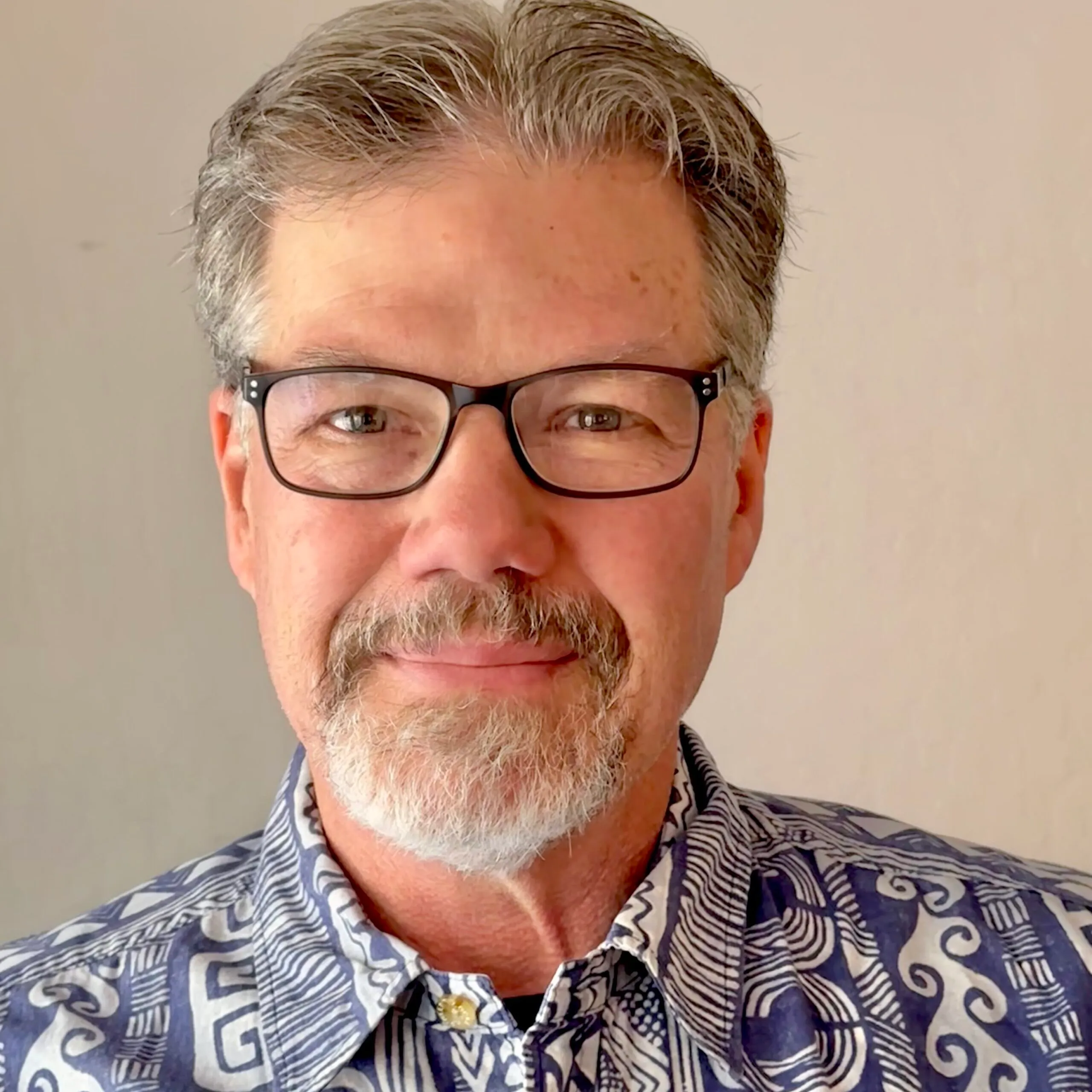

Director of Resilience
20 years in the Army, Special Forces. Fitness and grit.
“Anchor Point Recovery helped me through one of the hardest times in my life. The staff treated me like a real person, not just another client, and that made a huge difference. Everyone was supportive, easy to talk to, and genuinely cared about my progress. The environment felt safe and positive, and I always felt like people wanted to see me do better. I’m really grateful for the experience and would absolutely recommend them to anyone needing help.”
“First, I would like to express my appreciation and gratitude for all staff involved in my recovery here at Anchor Point! I didn’t feel like a client but more like extended family that ofcoarse had my best interest at heart! Allowing my faith to freely be apart of my process was a vital part and again I’m grateful!”
“Anchor Point is a faith based recovery program that does an amazing job helping addicts and those with mental health concerns over come their issues. If you want to strengthen your relationship with God and get help, I recommend Anchor Point. It is great program. The facility is clean and comfortable. The staff are caring and helpful. The therapists are top notch.”
Complete five-star reviews from AnchorPoint's Google Business Profile, in each reviewer's own words. Experiences vary. Hover to pause.

Hiking, the gym and time outside are part of every week of men’s rehab here.
The outdoorsPhoto: Debora Ratliff, CC BY 3.0, via Wikimedia Commons
Elsewhere. Then we pick you up.
Coming from detoxAbout 30 days, sometimes 45.
The first 30 daysSet before day 30.
After AnchorPointOnly 5.3%1 of adults with an untreated addiction felt they needed treatment. That’s why the first call is often made by family.For families
Sources: 1 SAMHSA, 2023 National Survey on Drug Use and Health, Annual National Report.2 NIDA, Drugs, Brains, and Behavior: Treatment and Recovery. National figures from federal sources.
You can make the first call. He doesn't have to be ready yet.
The first call · about 15 minutes
Thank you. We got it.
Admissions will call you back soon. Need us now? (928) 377-5230
Admissions: open 24 hours
Family visits: Sundays
Flying in? Land in Phoenix and admissions handles the pickup.