
PTSD and Addiction Treatment for Men
PTSD and addiction treated together for men, with EMDR, trauma therapy and groups with other men, including veterans and first responders.
- At your pace
- EMDR
- Men who get it
Licenses and accreditations



In crisis right now? Call or text 988. In an emergency, call 911.
Thank you. We got it.
Admissions will call you back soon. Need us now? (928) 377-5230
What is PTSD and addiction treatment?
PTSD and addiction treatment for men treats post-traumatic stress and drinking or drug use together, with trauma-focused therapy such as EMDR, medical care and daily structure.
Alongside CBT, DBT, group and 12-step meetings, as part of dual diagnosis treatment.
Video testimonials
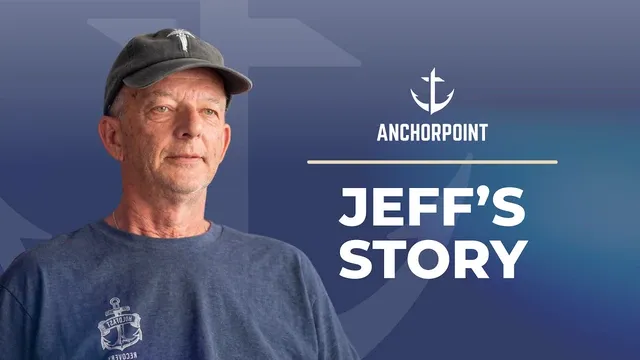
Jeff's story
40 years of marriage, restored.
“You're never too far from help. Trust the process, and the faith will grow.”
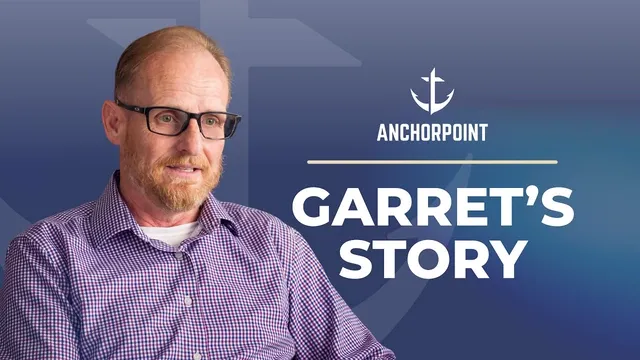
Garret's story
From rock bottom to honest again.
“God loves you no matter what, even when you're incapable of loving yourself.”
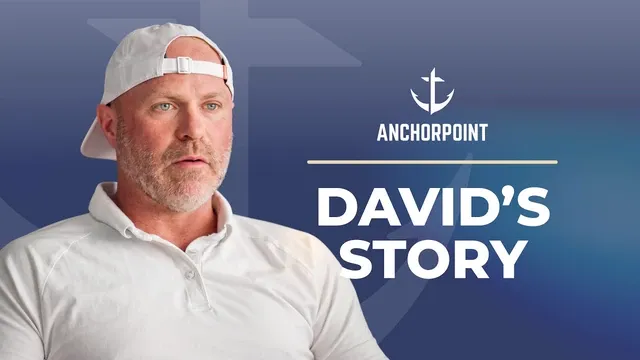
David's story
He picked up the phone, and everyone rallied.
“AnchorPoint taught me I'm not alone.”
Trauma and addiction in men
Veterans. Firefighters, police officers and paramedics. Men who grew up in chaos, and men who saw one thing they can’t unsee. Different stones, same weight, and most of you have carried it alone for years. Here you can set it down, one stone at a time, whether you live nearby or come for out of state rehab. Trauma is one of the layers we treat under the using.
- VeteransWhat serving left behind.
- First respondersFire, police, EMS: the calls.
- ChildhoodIt started early, at home.
- One bad daySomething you can’t unsee.
Signs of PTSD in men
Trauma keeps the radar running. The nightmares wreck your sleep, the anger comes out of nowhere, and you never quite stop watching the door. A drink or a pill is the fastest way to turn it all down, so that’s what you reached for.
- NightmaresSleep turns into a fight.
- On guardAlways watching the door.
- AngerOut of nowhere, at the wrong people.
- The usingTo turn it all down.
If you’re his wife, you’ve seen all four. Here the trauma and the using get worked on together, at the same time.
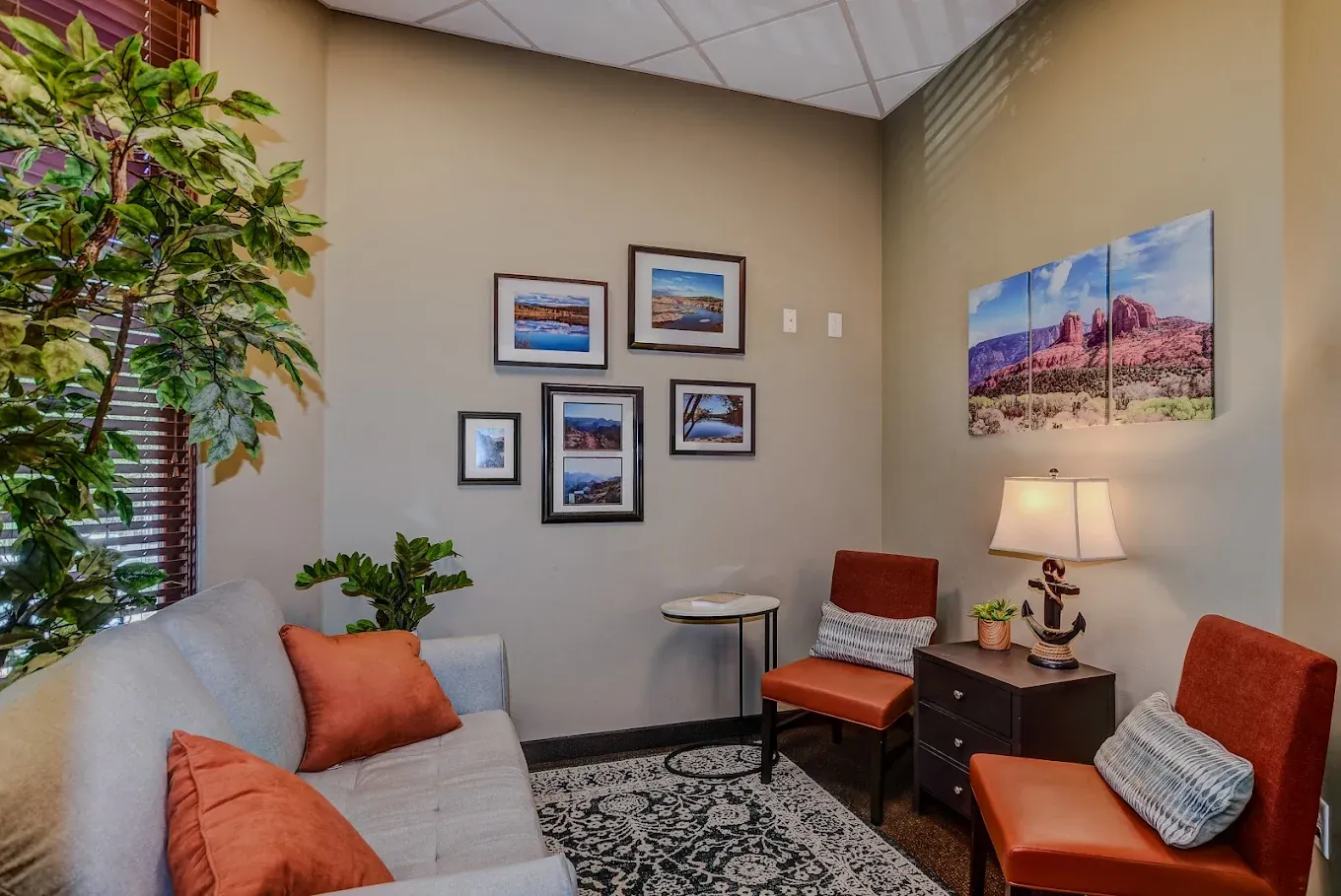
EMDR and trauma therapy
AnchorPoint, an addiction treatment center for men, holds that most addiction is rooted in trauma, so trauma-focused therapy is the center of the work here. You talk when you’re ready, and the hardest parts come at your pace.
- EMDRWith a designated therapist.
- CBTThoughts, untangled.
- DBTTools for the big feelings.
- IFSThe parts of you that protect.
- One-on-oneYour own therapist.
- GroupMen who get it.
A medical director, a psychiatric nurse practitioner and 24/7 nursing. Your medication is managed with you.
A day at AnchorPointPTSD and addiction treatment insurance coverage
Admissions checks your benefits for free, in or out of network, and tells you plainly what your plan covers before you decide anything.


 In network






Most PPO plans work out of network too. On Medicare or Medicaid (AHCCCS)? Admissions can help you find a program that takes your plan.
Check your insuranceBody-based trauma treatment
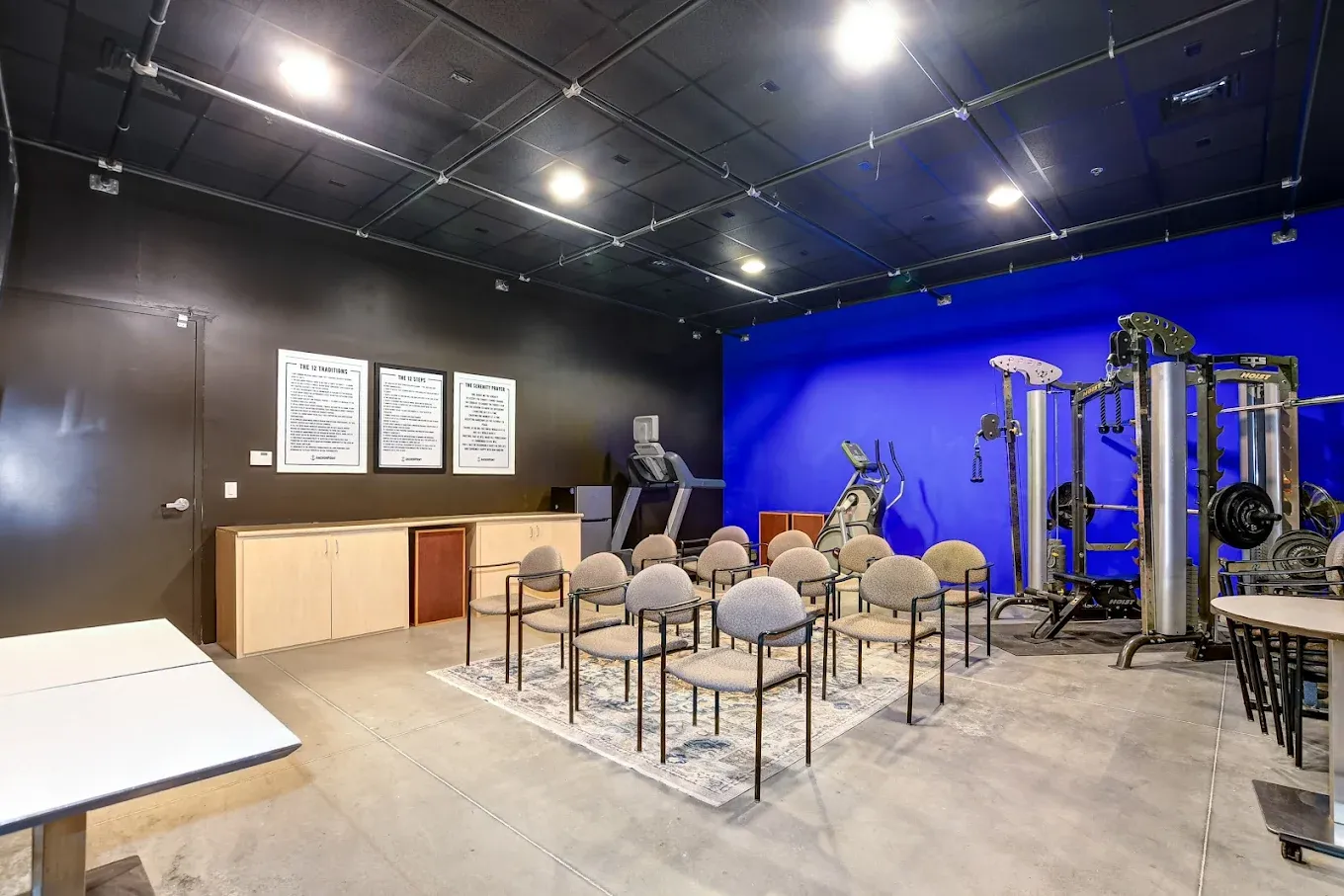
Trauma lives in your body too. It keeps your body braced, your jaw tight and your sleep light. Getting outside in the pines and getting under a barbell help it stand down, and the therapists give you tools to calm it yourself.

- The trails, every week
- The gym, every day
- Horses, ground work only
- Polyvagal-informed work
- HeartMath
Why trauma and addiction are treated together
A lot of men tell themselves they should be over it by now. Asking for help with it is a strong move. What happened is the reason under the using, and once you can see it, you can work on it.
You leave with a plan. Before day 30, you and your team plan the next step, so the work keeps going after the house.
After AnchorPointReviews from men at AnchorPoint
- Brett H.May 2026
“Anchor Point Recovery helped me through one of the hardest times in my life. The staff treated me like a real person, not just another client, and that made a huge difference. Everyone was supportive, easy to talk to, and genuinely cared about my progress. The environment felt safe and positive, and I always felt like people wanted to see me do better. I’m really grateful for the experience and would absolutely recommend them to anyone needing help.”
- Jacoury H.September 2026
“First, I would like to express my appreciation and gratitude for all staff involved in my recovery here at Anchor Point! I didn’t feel like a client but more like extended family that ofcoarse had my best interest at heart! Allowing my faith to freely be apart of my process was a vital part and again I’m grateful!”
- John B.June 2026
“Anchor Point is a faith based recovery program that does an amazing job helping addicts and those with mental health concerns over come their issues. If you want to strengthen your relationship with God and get help, I recommend Anchor Point. It is great program. The facility is clean and comfortable. The staff are caring and helpful. The therapists are top notch.”
Complete five-star reviews from AnchorPoint's Google Business Profile, in each reviewer's own words. Experiences vary. Hover to pause.
Thank you. We got it.
Admissions will call you back soon. Need us now? (928) 377-5230
PTSD and addiction treatment FAQ
- Together, by one team, in the same month. AnchorPoint holds that most addiction is rooted in trauma, so trauma therapy such as EMDR, CBT, DBT and IFS is the core of the work, with group, 12-step meetings, the trails and the gym. The medical team manages sleep, mood and medication with you.
- You talk when you’re ready. The work goes at your pace, one-on-one with your own therapist behind a closed door, and in group when you choose to share. The hardest parts come when you and your therapist decide it’s time.
- Yes. EMDR is done with a designated therapist, alongside CBT, DBT, IFS, group and one-on-one work. Your therapist picks the right tool for what you’re carrying, and you learn to use those tools yourself, so they go home with you.
- Yes. Veterans and first responders, including firefighters, police officers and paramedics, come here, along with men carrying trauma from childhood or from one bad day. You live in a house with men who understand what the job or the service leaves behind.
- Trauma and substance use often travel together. Many men drink or use to quiet nightmares, anger or a nervous system that won’t settle, and over time the using becomes its own problem. AnchorPoint holds that most addiction is rooted in trauma, which is why both are treated together here.
- Trauma-focused therapy is at the center: EMDR with a designated therapist, polyvagal-informed therapy, HeartMath, IFS and sociometrics, alongside CBT, DBT, group and one-on-one work. The gym, the trails and ground-based work with horses help settle the body.
- No. AnchorPoint treats men from all backgrounds carrying trauma, whether it started in childhood, at work or on one bad day. Veterans and first responders are among the men in the house, and the program is built for any man dealing with trauma, PTSD and drinking or drug use.
- Call or text 988 (veterans press 1), or call 911 in an emergency. Do that first, before anything else. Once you’re safe, admissions is the next call, and the line is open 24 hours.
- Yes. Your medication is managed, with our medical director, a psychiatric nurse practitioner and 24/7 nursing. If you take something for sleep, mood or nerves, the medical team manages it with you, day by day. If you’re on Suboxone or methadone, it’s coordinated with your provider.
- Yes. Family therapy is part of the program, and family visits on Sundays. She can make the first call before you’re ready, and she can be part of your plan for after if you want her there. What she hears about your care is up to you, by your written OK.
- Yes. 12-step meetings are part of the work for every man here: AA, NA or CA. They sit alongside trauma therapy, group and the outdoors, and they give you meetings to keep going to once you’re home.
- Often, yes, depending on your plan. AnchorPoint works with private insurance, TRICARE and TriWest, and we check your benefits for free, including out-of-network. For Medicare or Medicaid (AHCCCS), admissions can help find a program that takes them.
Where to find us
- AnchorPoint Recovery
3173 Clearwater Dr
Prescott, AZ 86305 - (928) 377-5230
Admissions: open 24 hours
Family visits: SundaysFlying in? Land in Phoenix and admissions handles the pickup.