
Residential Treatment for Men with Dual Diagnosis
Addiction and depression, anxiety, PTSD or trauma, treated together in one plan with one team.
- Both, together
- Medical team on site
- A house for men
Licenses and accreditations



In crisis right now? Call or text 988. In an emergency, call 911.
Thank you. We got it.
Admissions will call you back soon. Need us now? (928) 377-5230
What is dual diagnosis treatment?
Dual diagnosis residential treatment for men is care for a drinking or drug problem and a mental health condition, such as depression, anxiety or PTSD, treated together by one clinical team.
Your team works out what’s driving yours.
How addiction and mental health affect each other
Dual diagnosis means two things at once: the drinking or using, and a mental health condition like depression, anxiety or PTSD. Both are real, and both get treated.
The two turn each other. The low drives the using, and the using drives the low. Treat one alone and the other keeps it turning, so here both get worked on together.
What we treatVideo testimonials

Jeff's story
40 years of marriage, restored.
“You're never too far from help. Trust the process, and the faith will grow.”
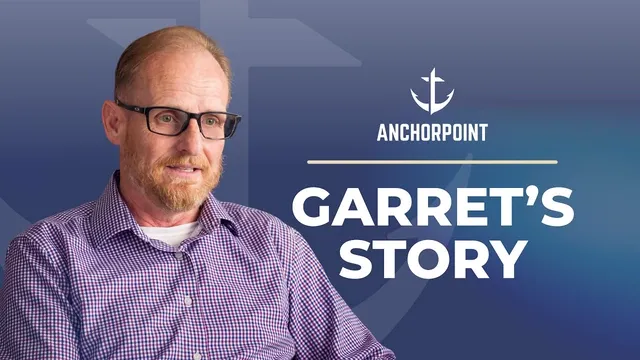
Garret's story
From rock bottom to honest again.
“God loves you no matter what, even when you're incapable of loving yourself.”

David's story
He picked up the phone, and everyone rallied.
“AnchorPoint taught me I'm not alone.”
Common co-occurring disorders we treat
Most men who call have more than one thing going on. The drink or the drug is on top, and under it there’s depression, anxiety or trauma. It comes in any mix. These are the ones we see most.
- On topAlcoholUnder itDepression
- On topOpioidsUnder itAnxiety
- On topStimulantsUnder itPTSD and trauma
Integrated treatment for addiction and mental health
One team works on the drinking and on your mental health. Therapy, medical care and medication run in the same month, from the same team, talking to each other. Before day 30, your next step is planned, and it covers both.
- TherapyYour own therapist, one-on-one, plus group.
- Medical careA medical director, a psychiatric NP and 24/7 nursing.
- MedicationManaged with you, day by day.
Trauma-focused dual diagnosis treatment
The program starts from one belief: most addiction is rooted in trauma. So the work goes after the why, as well as the habit. Your therapist picks the right tool for what you’re carrying, and you learn to use them yourself.
- EMDRWith a designated therapist
- CBTThoughts and habits
- DBTHandling hard feelings
- IFSThe parts of you
- Family therapyAttachment-based
- Art therapyWhen words don’t come
- HeartMathCalm the body
- 12-stepAA, NA or CA, required
Christ-centered at its core. Men of any faith, or none, are welcome.
Dual diagnosis treatment insurance coverage
Admissions checks your benefits for free, in or out of network, and tells you plainly what your plan covers before you decide anything.


 In network






Most PPO plans work out of network too. On Medicare or Medicaid (AHCCCS)? Admissions can help you find a program that takes your plan.
Check your insurance- S
- M
- T
- W
- T
- F
- S
- Psychiatric medication, managed
- MAT coordinated with your provider
- A taper only when it’s appropriate
Psychiatric medication during treatment
If you take something for your mood, your nerves or your sleep, it comes in with you. The medical team manages it with you, day by day.
On Suboxone or methadone? Your medication-assisted treatment is coordinated with your provider, with a taper only when it’s appropriate. Your medication continues here.
Medication is optional, and every decision about it is made with you, as part of the same plan as your therapy.
Opioids and fentanylIs residential dual diagnosis treatment right for you?
This is a house for men, with 24/7 nursing. The door is open, you keep your phone and family visits on Sundays. Here’s the honest version of who it fits, and where to start first if you need more support.
Come on in if you’re
- Drinking or using, plus depression, anxiety or PTSD
- Stable enough to live in a house with other men
- Finished detox, or ready without it
- Ready to work on both
Start here first if you’re
- In crisis right now: call 988 or 911 first
- Active psychosis: a hospital comes first
- Needs medical detox: detox comes first
- Keep your phone
- Sunday visits
- 24/7 nursing
Reviews from men at AnchorPoint
- Brett H.May 2026
“Anchor Point Recovery helped me through one of the hardest times in my life. The staff treated me like a real person, not just another client, and that made a huge difference. Everyone was supportive, easy to talk to, and genuinely cared about my progress. The environment felt safe and positive, and I always felt like people wanted to see me do better. I’m really grateful for the experience and would absolutely recommend them to anyone needing help.”
- Jacoury H.September 2026
“First, I would like to express my appreciation and gratitude for all staff involved in my recovery here at Anchor Point! I didn’t feel like a client but more like extended family that ofcoarse had my best interest at heart! Allowing my faith to freely be apart of my process was a vital part and again I’m grateful!”
- John B.June 2026
“Anchor Point is a faith based recovery program that does an amazing job helping addicts and those with mental health concerns over come their issues. If you want to strengthen your relationship with God and get help, I recommend Anchor Point. It is great program. The facility is clean and comfortable. The staff are caring and helpful. The therapists are top notch.”
Complete five-star reviews from AnchorPoint's Google Business Profile, in each reviewer's own words. Experiences vary. Hover to pause.
Thank you. We got it.
Admissions will call you back soon. Need us now? (928) 377-5230
Dual diagnosis treatment FAQ
- Dual diagnosis means having a drinking or drug problem and a mental health condition, like depression, anxiety or PTSD, at the same time. The two feed each other: the low drives the using, and the using drives the low. That’s why both are treated together here, by the same team, in the same month.
- EMDR (Eye Movement Desensitization and Reprocessing) is a structured trauma therapy that helps the brain reprocess memories that got stuck, so they lose their emotional charge, without retelling every detail. Here it is done with a designated therapist, alongside CBT, DBT and IFS, for men whose drinking or using is tied to trauma.
- Many men who call have. Often the depression, trauma or anxiety under the using was never fully treated, so what drove it was still there when they got home. Here the mental health work runs alongside the addiction work from the first week, with one team, and admissions can talk through what happened last time.
- Residential treatment here lasts about 30 days, sometimes 45, depending on how the work is going and what your insurance authorizes. Your team reassesses as you stabilize, and before day 30 your next step is planned so the work on both keeps going.
- Men who are drinking or using and also dealing with depression, anxiety or PTSD, who are stable enough to live in a house with other men and ready to work on both. You should have finished detox, or never needed it. If you’re in crisis or need medical detox, that comes first, and admissions helps you find the right place to start.
- Yes. One team works on both in the same month, because treating one alone rarely holds. Your own therapist works one-on-one on the depression and what’s under it, the medical team manages any medication, and group and 12-step meetings work on the drinking. Before day 30, your next step covers both.
- Psychiatric care is part of the program: our medical director, Donald R. Middleton Jr., DO, a psychiatric nurse practitioner, Dr. Ray Hamilton, and 24/7 nursing. They manage your medication with you and work alongside your therapist, so nothing is handled in isolation. Admissions can walk you through how it works for you.
- Yes. Your medication is managed and comes in with you. If you take something for your mood, your nerves or your sleep, the medical team manages it with you, day by day. If you’re on Suboxone or methadone, MAT is coordinated with your provider, including a tapering plan when it’s appropriate.
- You can call as you are, with or without a diagnosis or a referral. Admissions asks a few questions on the first call, and your team works out what’s going on with you once you’re here, in residential treatment.
- It’s a house for men, staffed with 24/7 nursing, rather than a hospital. The door is open, you keep your phone and family visits on Sundays. Because it’s a house, a man in crisis or in active psychosis starts at a hospital, and admissions can help you work out the right place to start.
- Call or text 988, or call 911 in an emergency. Do that before anything else, including calling us. Once you’re safe, admissions is the next call, and the line is open 24 hours, every day.
- Before day 30 you and your team set the next step, and it covers both: the using and what’s under it. That can mean stepping down to outpatient care, sober living or going home with support in place, including who keeps treating your mental health.
- It depends on your plan. We check your benefits for free, including out-of-network, and tell you plainly what your plan means before you decide. For Medicare or Medicaid (AHCCCS), admissions can help find a program that takes them.
Where to find us
- AnchorPoint Recovery
3173 Clearwater Dr
Prescott, AZ 86305 - (928) 377-5230
Admissions: open 24 hours
Family visits: SundaysFlying in? Land in Phoenix and admissions handles the pickup.