
Residential Treatment Center for Men
Residential addiction treatment for men from all 50 states: therapy, groups, the gym and the outdoors, with 24/7 nursing.
- About 30 days, sometimes 45
- A house of men
- Open doors, by choice
- Phones allowed
Licenses and accreditations



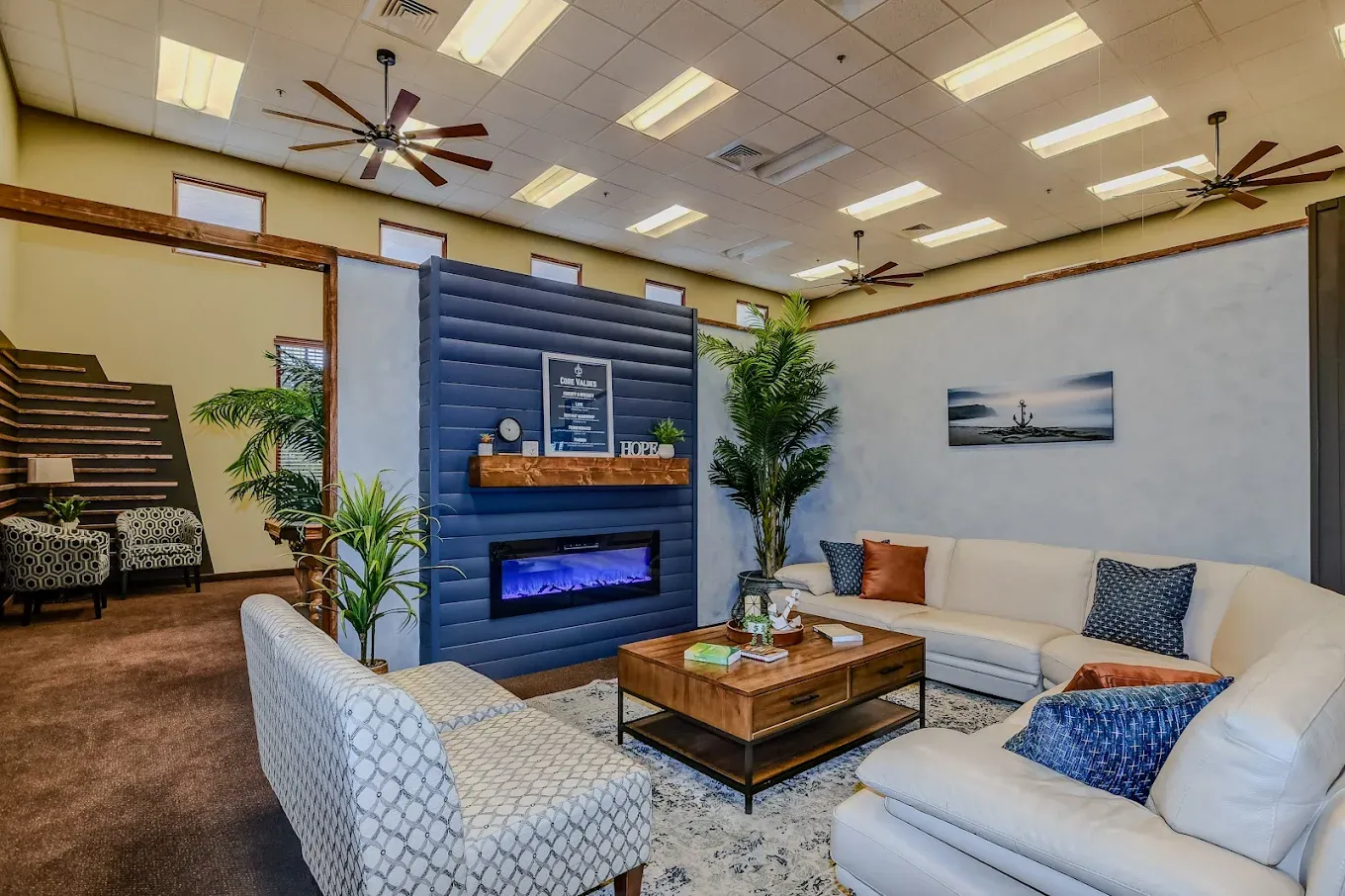
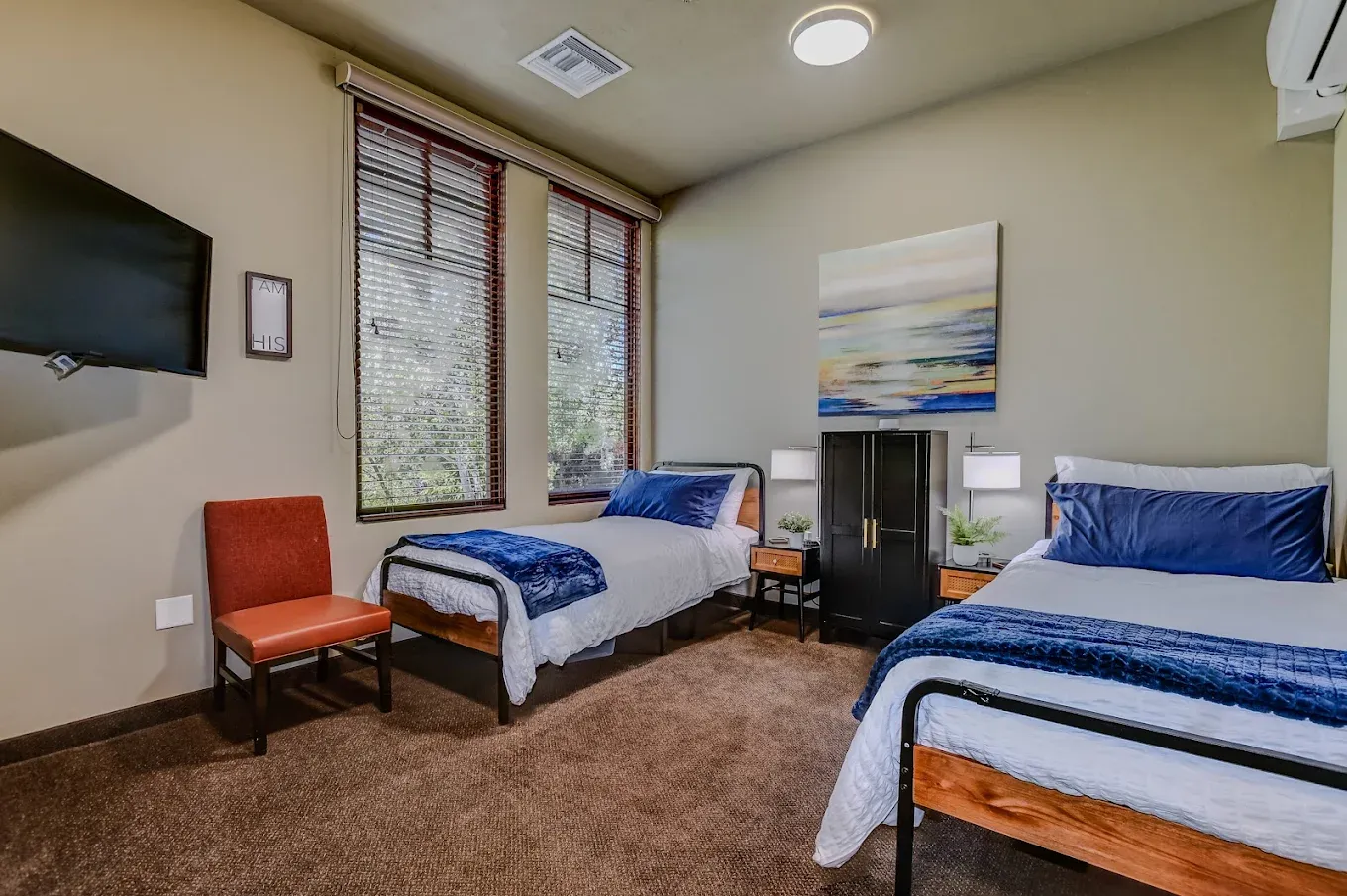
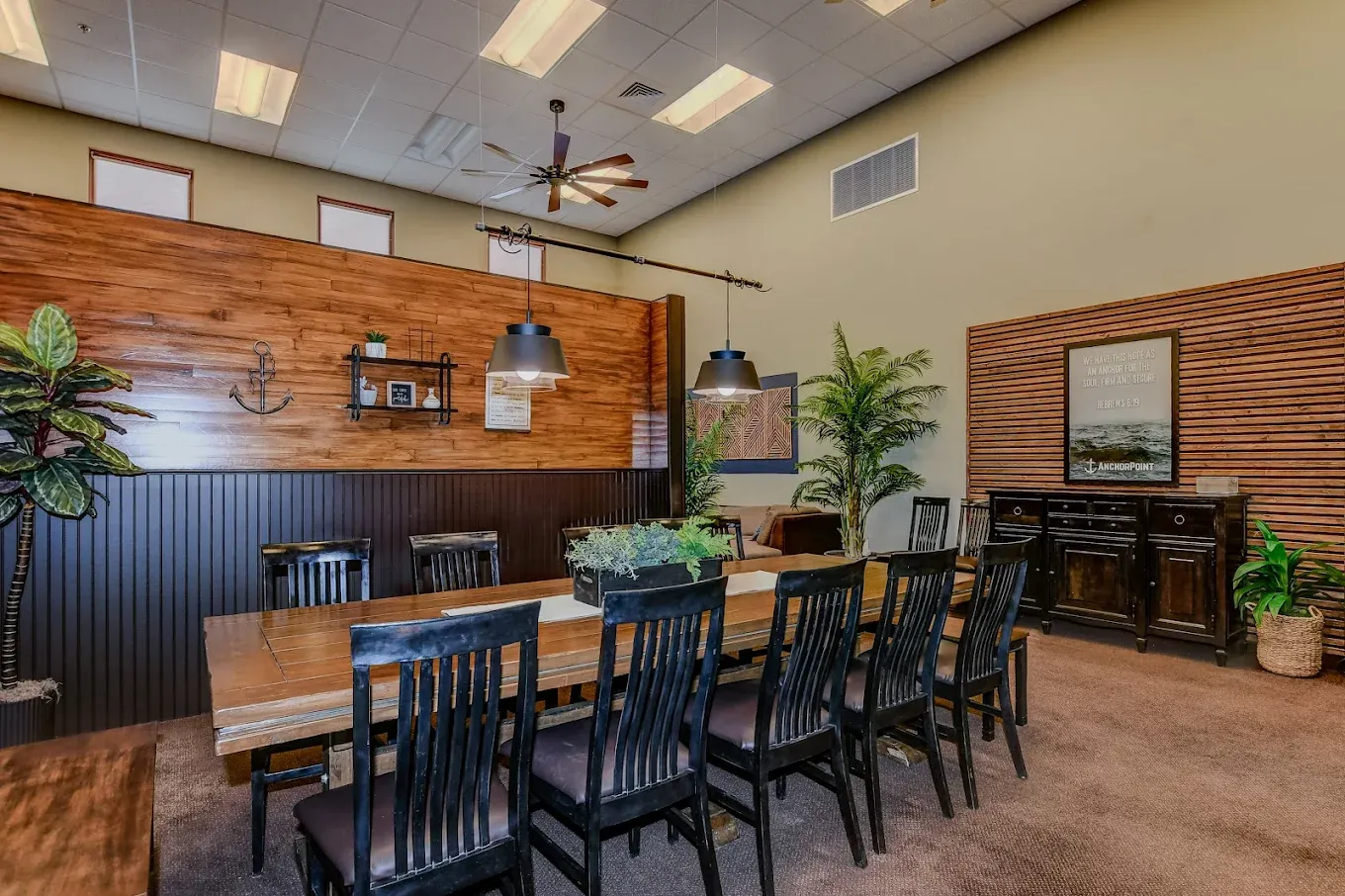
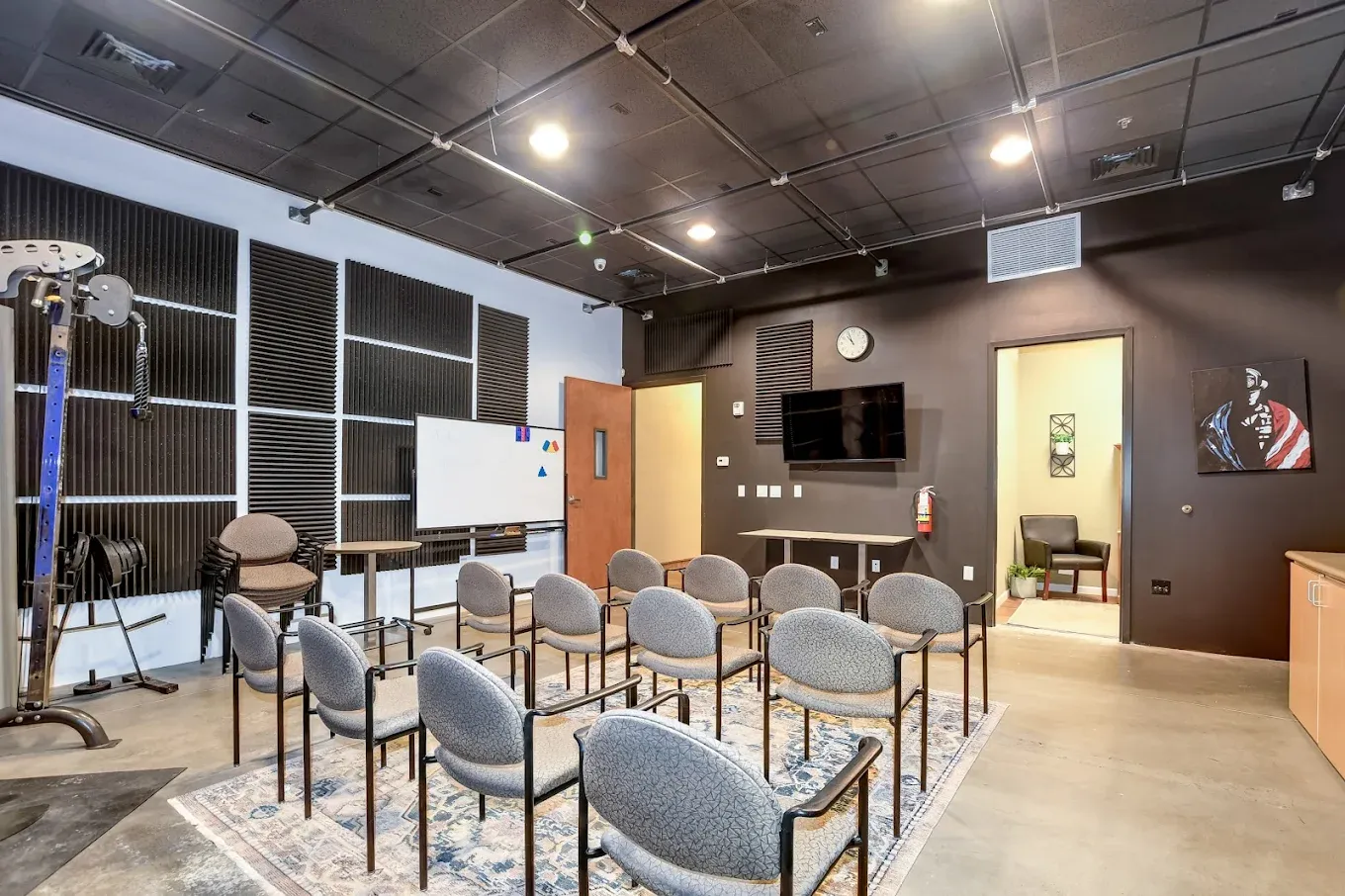
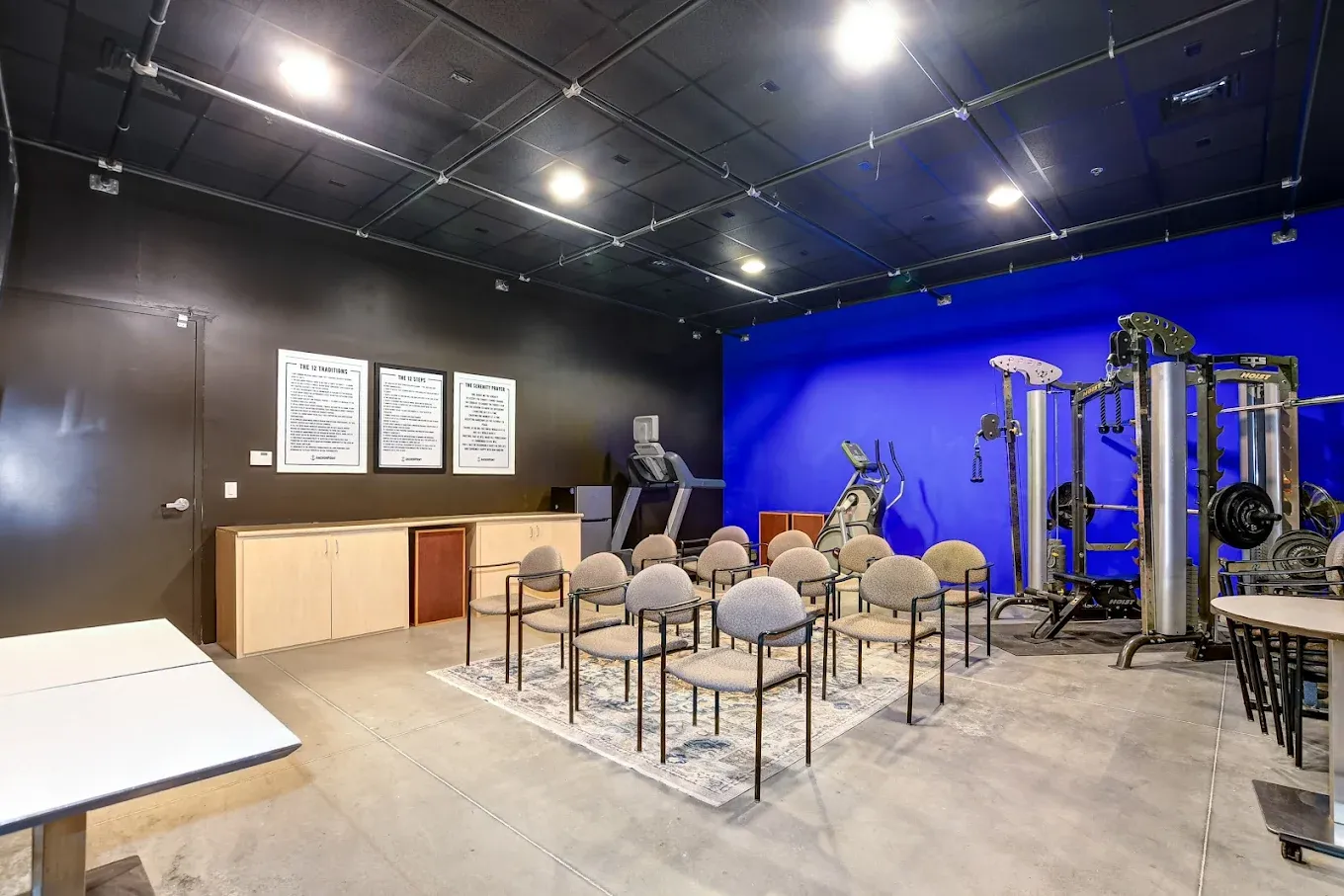
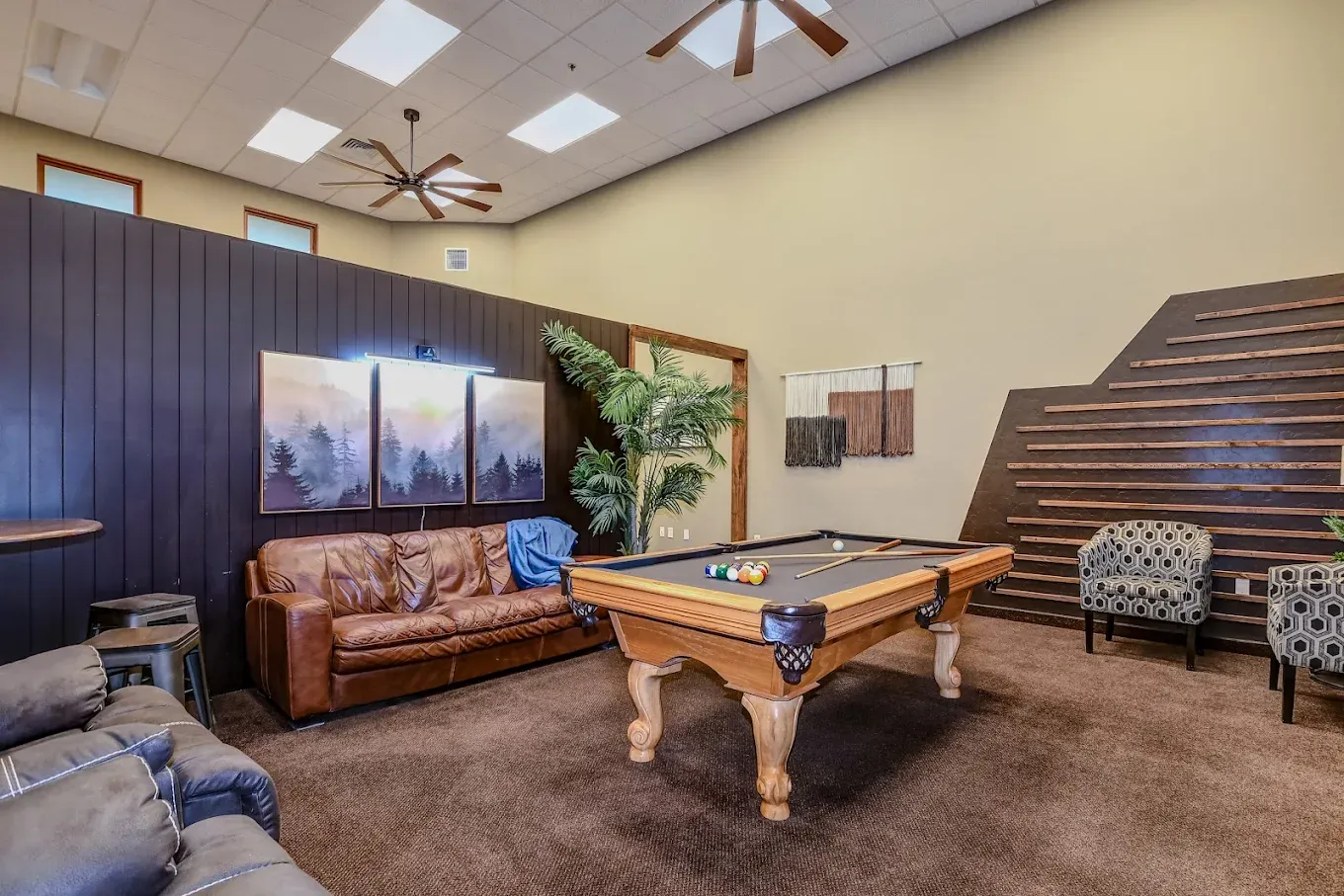
What is residential treatment?
Residential treatment is addiction treatment where you live at the center full time, usually for about 30 days, with therapy, medical care and structure every day.
AnchorPoint provides residential addiction treatment in Arizona only. Before day 30, your team plans your next level of care with you, with a program near home.
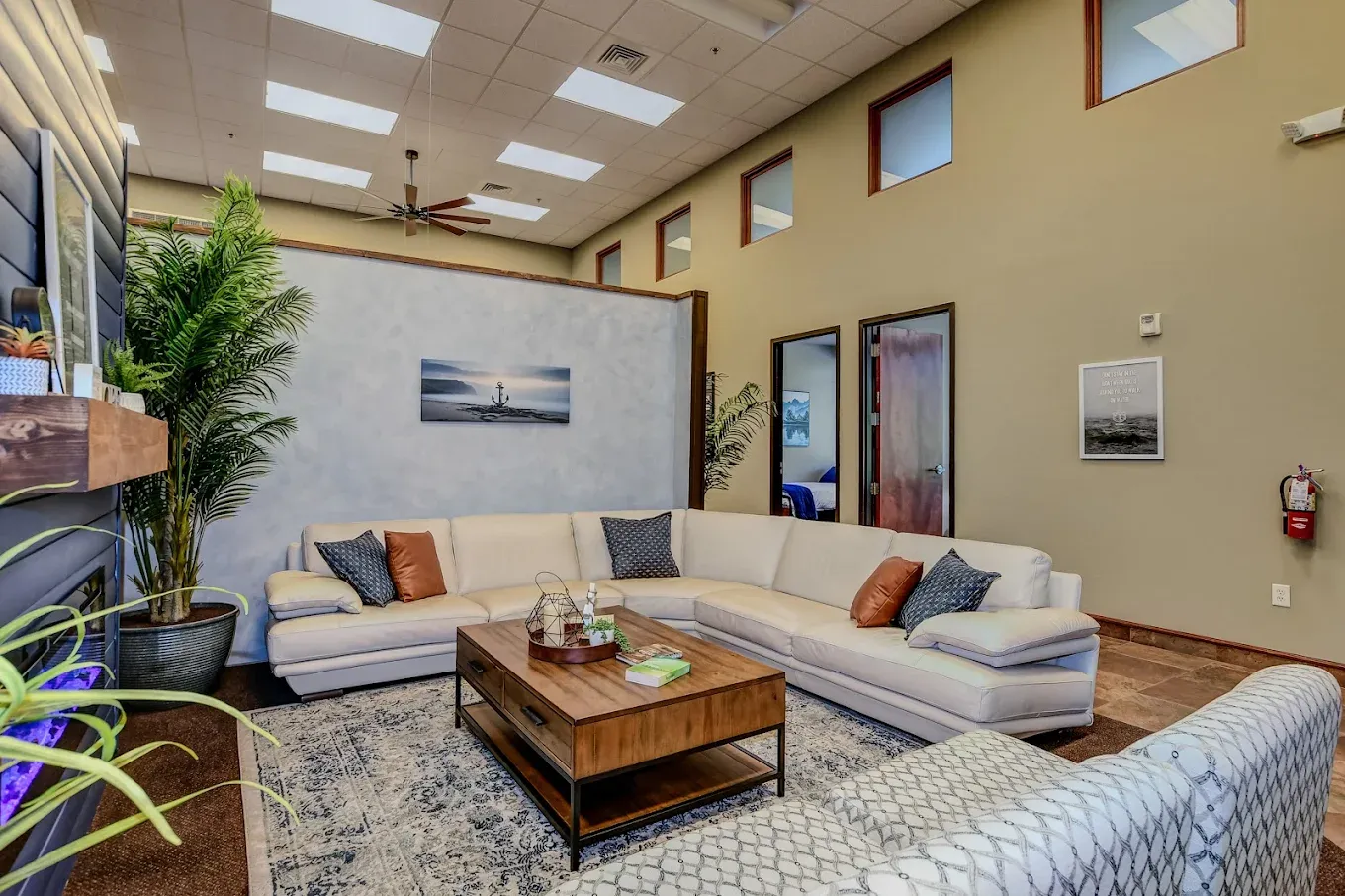
What residential treatment for men includes
Video testimonials
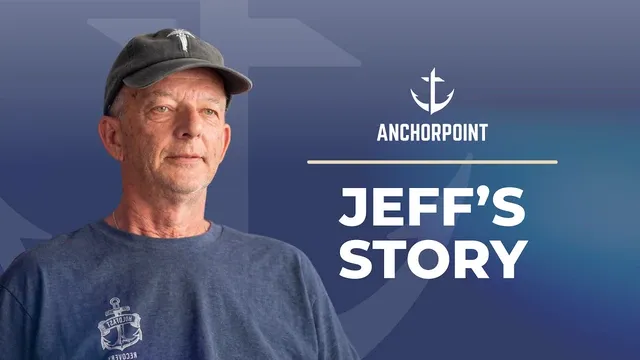
Jeff's story
40 years of marriage, restored.
“You're never too far from help. Trust the process, and the faith will grow.”
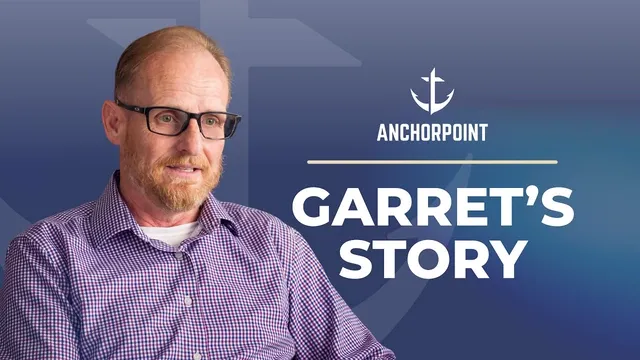
Garret's story
From rock bottom to honest again.
“God loves you no matter what, even when you're incapable of loving yourself.”
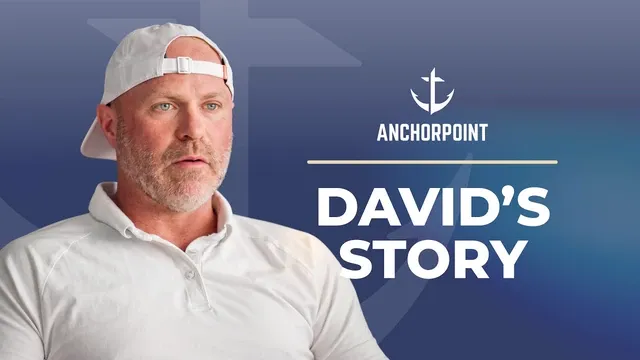
David's story
He picked up the phone, and everyone rallied.
“AnchorPoint taught me I'm not alone.”
Inside our residential treatment center
- Keep your phone
- Most men share
- Catered, one table
- Groups with men
- Gym every day
- Sunday visits
- Show up to group
- A sober house
- Respect the house
- Be honest
Therapy in residential treatment
- GroupsWith other men.
- One-on-oneYour own therapist.
- What’s underneathTrauma, anxiety, depression.
- Medical care24/7 nursing, a medical director.
- NeuroFaith®
- EMDR
- CBT
- DBT
- IFS
- Family therapy
- Art therapy
- HeartMath
- 12-step
Christ-centered care in men’s residential treatment
AnchorPoint is Christ-centered, and faith is part of the work here. Treatment follows the NeuroFaith® model, which brings the neuroscience of trauma, therapies such as EMDR, CBT and DBT, and Christian faith into one plan of care. Men of any faith, or none, are welcome.
- Brain science. Trauma is held in the nervous system, so the work starts with feeling safe and steady.
- Faith. Rebuilding identity, and your relationship with God, yourself and the people you love.
- Brotherhood. Bible study groups, prayer and fellowship alongside group therapy and 12-step meetings.
Each dot is a daily dose. The line never breaks.
Suboxone and methadone during residential treatment
- MAT for alcohol and opioid use
- Methadone coordinated with your provider
- A tapering plan, only when it’s appropriate
How to choose a residential treatment center for men
Eight things to look for in any residential rehab, and how AnchorPoint handles each one.
- 01
Licensed and accredited
Licensed by the Arizona Department of Health Services and accredited by The Joint Commission. - 02
Real medical care
A medical director, a psychiatric nurse practitioner and nursing 24 hours a day. - 03
Trauma therapy
Trauma-focused care with EMDR, IFS and polyvagal-informed therapy. - 04
Medication that continues
Suboxone continues here; methadone is coordinated with your provider. - 05
A residential program built for men
Built for men, with groups, the gym and the outdoors as part of every week. - 06
Family involvement
Family therapy, Sunday visits and calls home while you are here. - 07
A plan for after residential rehab
A planned next step, case management for work and housing, and an alumni network. - 08
Clear costs before you come
A free benefits check, in or out of network, before you decide anything.
Residential treatment insurance coverage
Admissions checks your benefits for free, in or out of network, and tells you plainly what your plan covers before you decide anything.


 In network






Most PPO plans work out of network too. On Medicare or Medicaid (AHCCCS)? Admissions can help you find a program that takes your plan.
Check your insuranceThank you. We got it.
Admissions will call you back soon. Need us now? (928) 377-5230

Outdoor and adventure therapy in Arizona
Photo: David Quigley, CC BY 2.0, via Wikimedia Commons
Detox, residential treatment and aftercare
- Before
Detox first
Elsewhere. Then we pick you up.
Coming from detox - About 30 days, sometimes 45
The work, in the house
Groups, therapy, the outdoors.
The first 30 days - After
A planned next step
Set before day 30.
After AnchorPoint
A complete residential program for men
Reviews from men at AnchorPoint
- Brett H.May 2026
“Anchor Point Recovery helped me through one of the hardest times in my life. The staff treated me like a real person, not just another client, and that made a huge difference. Everyone was supportive, easy to talk to, and genuinely cared about my progress. The environment felt safe and positive, and I always felt like people wanted to see me do better. I’m really grateful for the experience and would absolutely recommend them to anyone needing help.”
- Jacoury H.September 2026
“First, I would like to express my appreciation and gratitude for all staff involved in my recovery here at Anchor Point! I didn’t feel like a client but more like extended family that ofcoarse had my best interest at heart! Allowing my faith to freely be apart of my process was a vital part and again I’m grateful!”
- John B.June 2026
“Anchor Point is a faith based recovery program that does an amazing job helping addicts and those with mental health concerns over come their issues. If you want to strengthen your relationship with God and get help, I recommend Anchor Point. It is great program. The facility is clean and comfortable. The staff are caring and helpful. The therapists are top notch.”
Complete five-star reviews from AnchorPoint's Google Business Profile, in each reviewer's own words. Experiences vary. Hover to pause.
Thank you. We got it.
Admissions will call you back soon. Need us now? (928) 377-5230
Residential treatment FAQ
- Residential treatment is addiction treatment where you live at the treatment center full time, usually for about 30 days. Each day includes individual and group therapy, medical and psychiatric care, and structure, away from the people and places tied to drinking or using.
- In residential treatment you live at the center and have treatment and support around the clock. In outpatient care, including PHP and IOP, you live at home and come in for a set number of hours a week. Many men start with residential treatment and step down to outpatient care as part of their plan for after.
- Residential treatment at AnchorPoint lasts about 30 days, sometimes 45. How long you stay depends on how the work is going and what your insurance authorizes, and you and your team decide together as you go. Every man leaves with a planned next step.
- The doors are open, and you're here by choice. If you want to leave, we'll ask you to talk it through with your team first, so the decision is made with a clear head and you leave with a plan. Your family can always call admissions, which is open 24 hours.
- Yes. Phones, laptops and other devices are allowed as long as the work comes first, so you can call home and the people who count on you can still reach you. Family visits on Sundays, and admissions can tell you the times.
- Most men share a room. Sharing a room, a table and the work is part of how the brotherhood forms in the house. Meals are catered and eaten together, and laundry is on site, so you only need about a week of clothes. Admissions can tell you what’s open when you call.
- Yes. Suboxone continues, managed here, so your medication continues from day 1. If you’re on methadone, we coordinate with your existing provider, with a tapering plan only when it’s appropriate. We work with licensed medical providers on medication-assisted treatment. Bring your prescriptions in their original bottles, with a list of doses.
- Yes, if you’re still using or in withdrawal. Detox comes first, at a program that does detox. Then we pick you up. Admissions can help you find a detox, hospital or VA program, line up your next step while you’re there, and arrange your pickup once you’re medically cleared.
- Group and one-on-one therapy, with trauma-focused work at the center. Therapies include EMDR, CBT, DBT, IFS and family therapy, alongside ground-based work with horses, the gym and the outdoors. 12-step meetings (AA, NA or CA) are part of the program for every man here.
- Yes. Psychiatric care is part of the program: our medical director, a psychiatric nurse practitioner and 24/7 nursing. Your medical team manages any medication you need, while therapy works on what sits under the using, including trauma, anxiety and depression. Admissions can walk you through how it works for you.
- Yes. AnchorPoint is Christ-centered, and faith is part of the work here. Men of any faith, or none, are welcome, and the rest of the program, from therapy and groups to 12-step meetings and the outdoors, is the same for every man in the house.
- It depends on your plan. Many private plans help pay for residential treatment, and we check your benefits for free, including out-of-network coverage, before you decide anything. We work with plans such as Aetna, Cigna, UnitedHealthcare, Blue Cross Blue Shield, TRICARE and TriWest. On Medicare or Medicaid (AHCCCS)? Admissions can help you find a program that takes your plan.
- Yes. Smoking and vaping are allowed in designated areas. Admissions can tell you anything else to plan for.
Where to find us
- AnchorPoint Recovery
3173 Clearwater Dr
Prescott, AZ 86305 - (928) 377-5230
Admissions: open 24 hours
Family visits: SundaysFlying in? Land in Phoenix and admissions handles the pickup.